
SPRING PLANTING: Getting Down to the Basics
|
By Scarlett Miller |
Posted 2880 days ago |
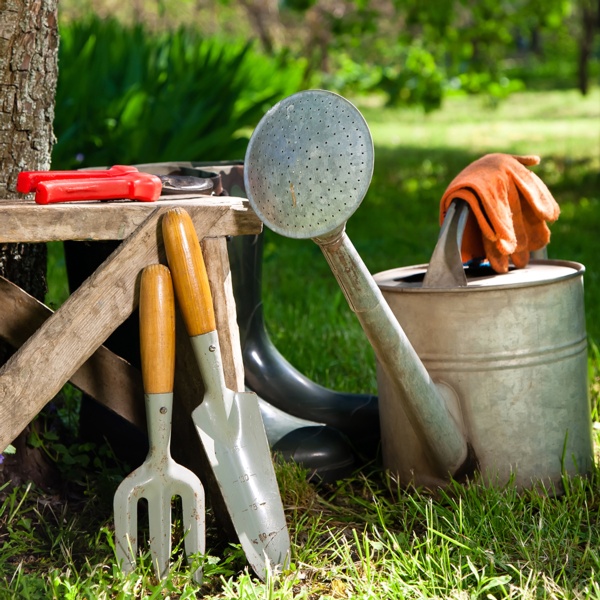
Even though it’s January and you may see snowmen outside, it is not too early to start planning your summer garden. What better time to start jotting down a wish list of your favorites than now, while you are cooped up indoors?!
 What are spring bulbs and bare root perennials?
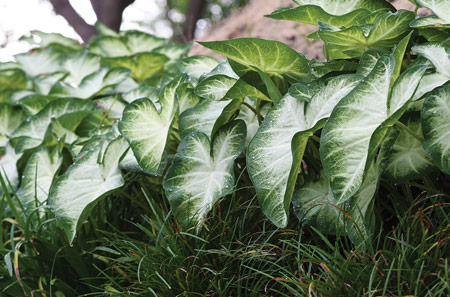
Spring bulbs and perennials are planted in the spring for summer blooming. Some of my favorites are begonias, caladiums, calla lilies, other lillies, cannas, dahlias, elephant's ears, and hostas – just to name a few! Be sure and choose varieties with different bloom times (late spring, early summer, midsummer, late summer, fall) so you will have color all the way from spring to fall!
Spring bulbs and bare root perennials will start hitting your local big box and club stores now in the Deep South and will gradually filter into middle then northern states later this month and into March. Purchasing dormant bulbs and bare root perennials will leave more $$$ in your wallet and produce more summer color than buying regular plants. Watch out – you may catch a bad case of spring fever!
There are a few important basics that need to be considered:
- When should you plant?
- What is your hardiness zone?
- Where do you want to plant?
- How to plant?
When should you plant spring bulbs and bare root perennials?
The golden rule of thumb is to plant after the last frost date in your area. This means once you know the danger of freezing temperatures has passed, you are good to go when the ground warms to approximately 50ºF.
 What is your hardiness zone?
First of all, a hardiness zone is used to indicate where perennials, shrubs and trees can adapt and/or return each year. It lets you know if the plant will tolerate the lowest winter temperature in your area.
Most packaging contains a hardiness zone map of the United States to let you know what zone you are in. If not, you can refer to this one from the U.S. Department of Agriculture.
Where do you want to plant?
Does the spot you have in mind receive lots of sun, a partial amount of sun or mostly shade? This is one of the most important details to be aware of. Your packaging should let you know what your bulbs or perennials prefer.
How do you plant?
The packaging on your bulbs or perennials will have key information like planting depth and plant spacing. Dig a hole and loosen the soil to the depth specified on your package. Place the bulb or root in the hole and cover with soil. Water thoroughly and mulch to keep the soil cool and to prevent it from drying out. Pretty simple, huh?!
By Scarlett Miller
"I´m a Xennial (born in the warp zone between Gen X´ers and Millennials) who loves to garden
(includes trial and error) with a plethora of horticultural information at my fingertips."