| When to Plant: | |
| Spring |
| Harvest: | |
| Late Summer to Fall |
| Light Requirements: | |
| Full Sun |
| Plant Height: | ||
| Varies by type. Ranges from 10-30'. | ||
| Hardiness Zones: | |
| Varies by type. Find Your Zone |
| Planting Depth: | |
| Twice the width and depth of the root ball. |
| Plant Spacing: | |
| Varies by type. Ranges from 10-30'. |
| Plant Type: | |
| Bare Root |
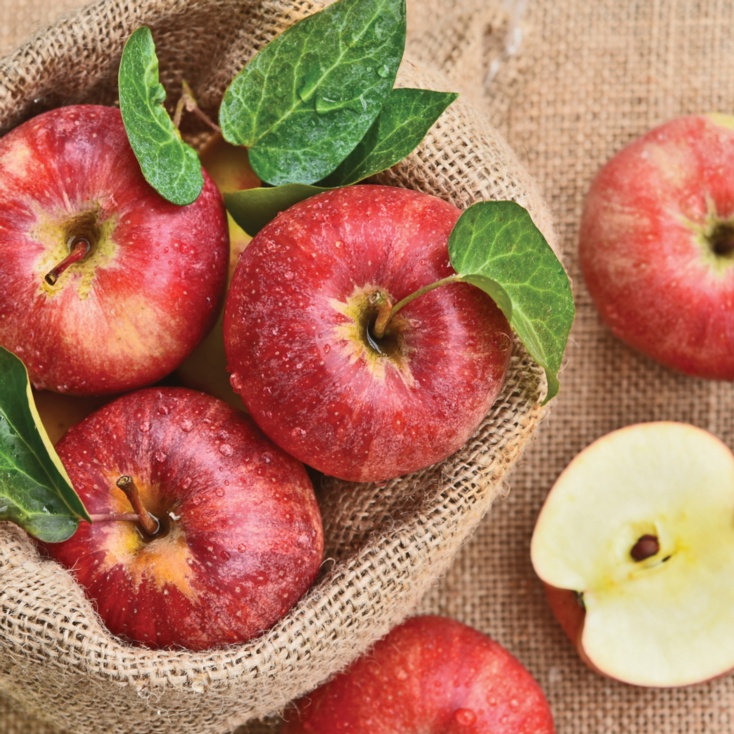
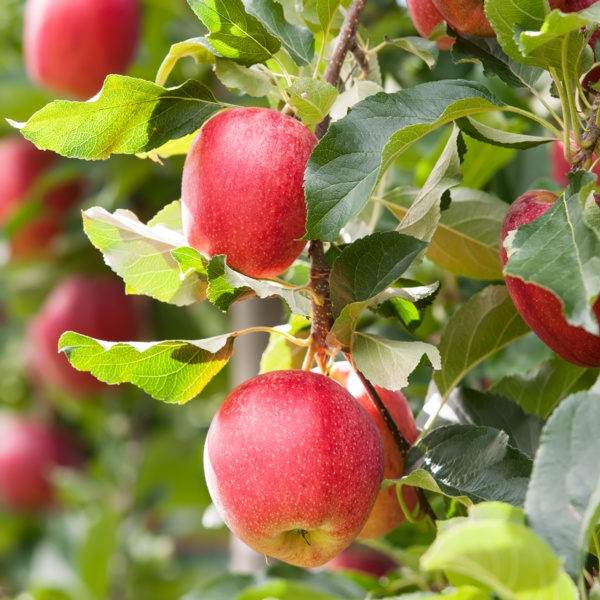
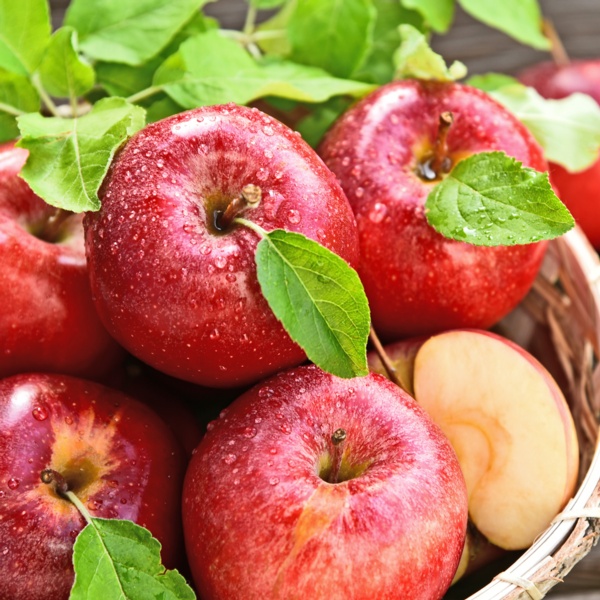
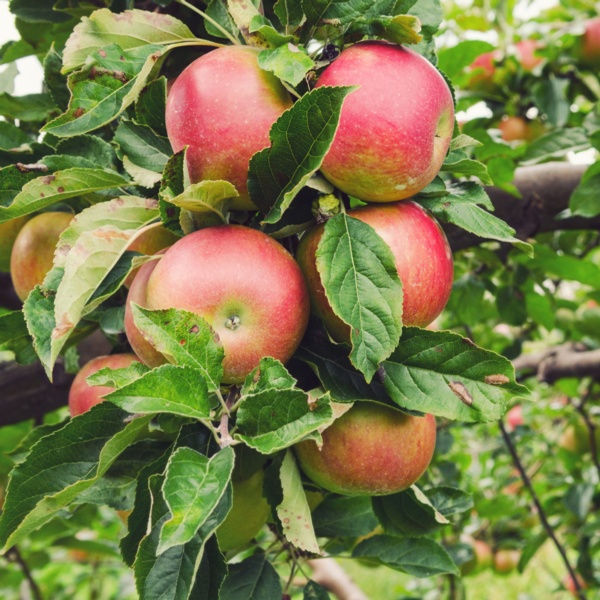
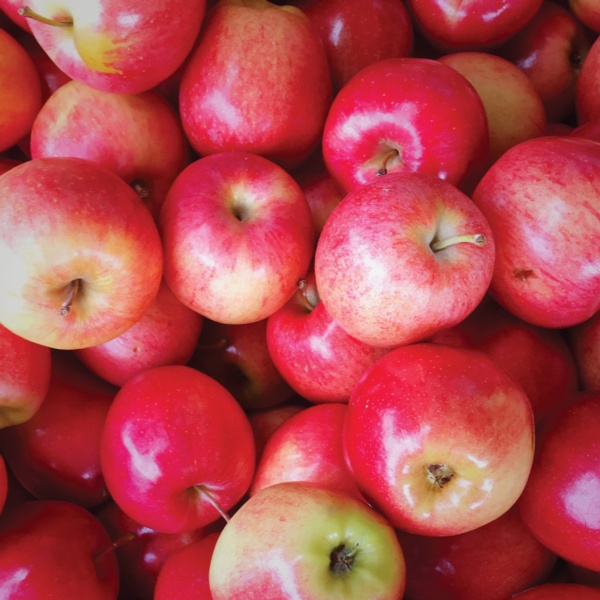
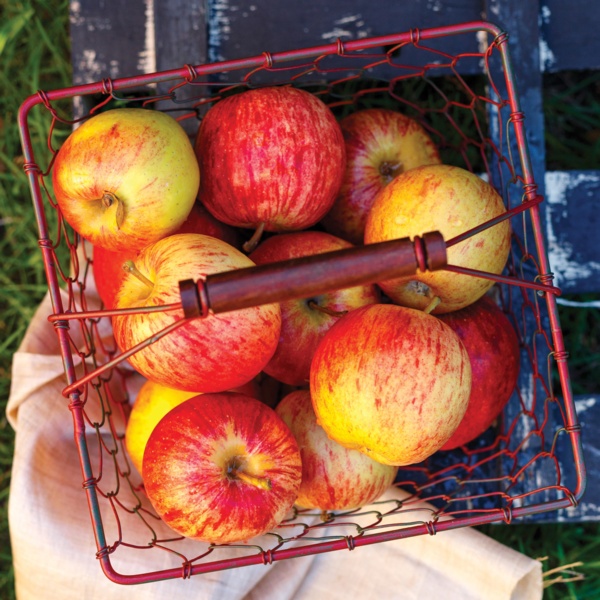
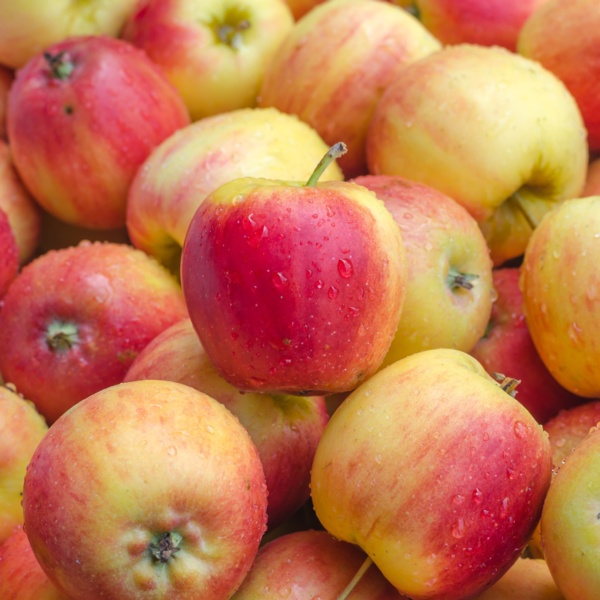
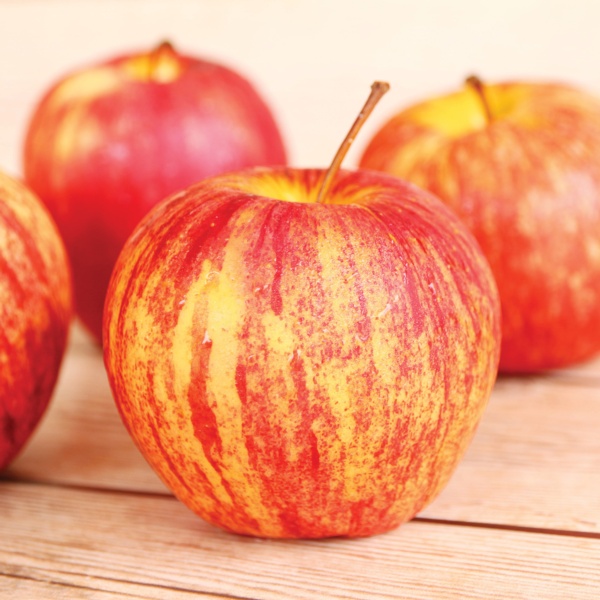
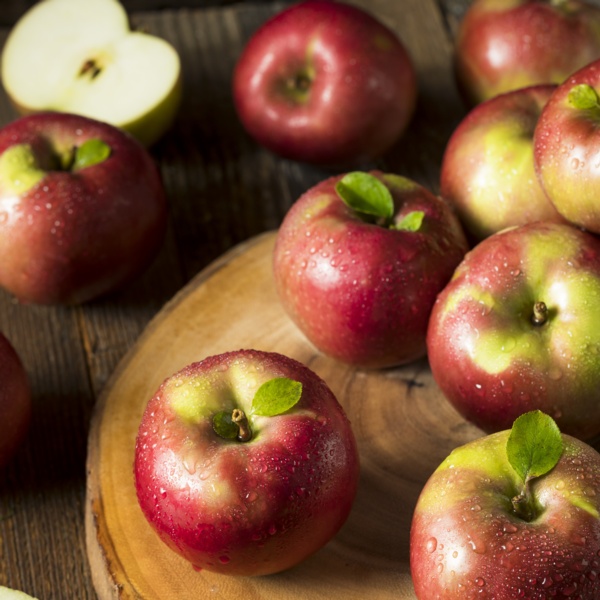
Apple Trees originated in Central Asia are cultivated worldwide and are the most widely cultivated fruit trees in the world.
Apple Trees are ideal for beginner gardeners since they are easy to plant and grow and are cost effective. Grow your own Apple Tree for bushels of sweet, delicious apples that you can use for cooking or eating straight from the tree in your own backyard!
To plant: Remove tree from packaging. Dig a hole twice the width and depth of the root ball. Place roots in the middle of the hole. Be careful not to plant too deep since this will suffocate the root system. Ensure the roots are not tightly compressed.
Use your fingers or a blunt instrument to loosen the roots and spread out gently to encourage outward growth into the surrounding earth. Use soil that was removed while digging to fill the hole back, remembering to only fill to the top level of the root ball.
Water the soil, allow it to settle and add more soil if needed. Tamp the soil lightly. This will help the soil to further settle. Water the plant again.
Add mulch around the plant in a 1-2" layer to help retain moisture. If experiencing hot or dry weather, it will be more important to water plants more frequently versus the recommended 1-2 times per week to water thoroughly.
Make sure to review the recommended USDA zones for your area. It is important to select plants with recommendations for your zone; otherwise, they will not be successful in your landscape due to their inability to grow in those weather conditions.
Apple trees benefit from regular pruning, but only done during their dormancy.
Prefers fertile, moist, well-drained soil.
Requires a co-pollinator.
