Elderberry
(el·der·ber·ry | \ ˈel-dәr-ˌber-ē \)
|
Light Requirements: |
|
Full Sun |
|
Planting Depth: |
|
Deep enough so that the crown is even with the ground level. |
About
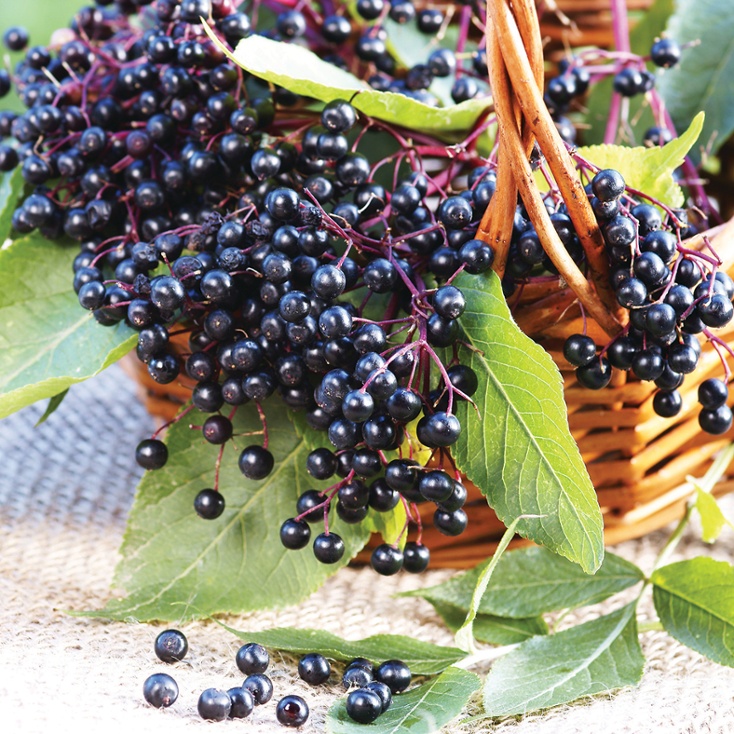
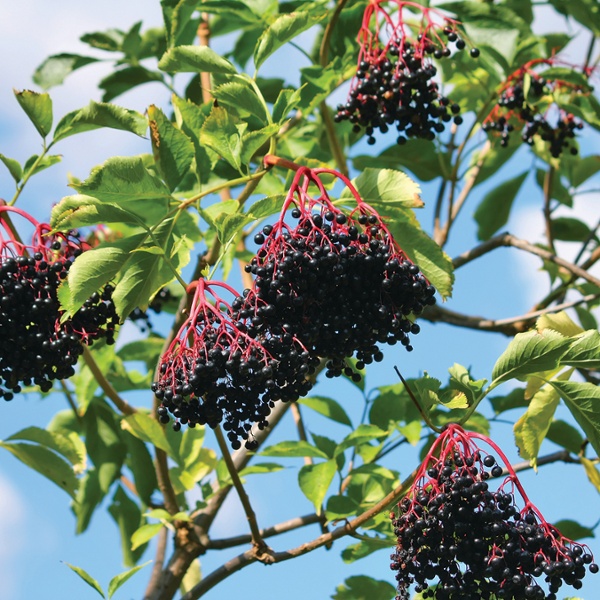
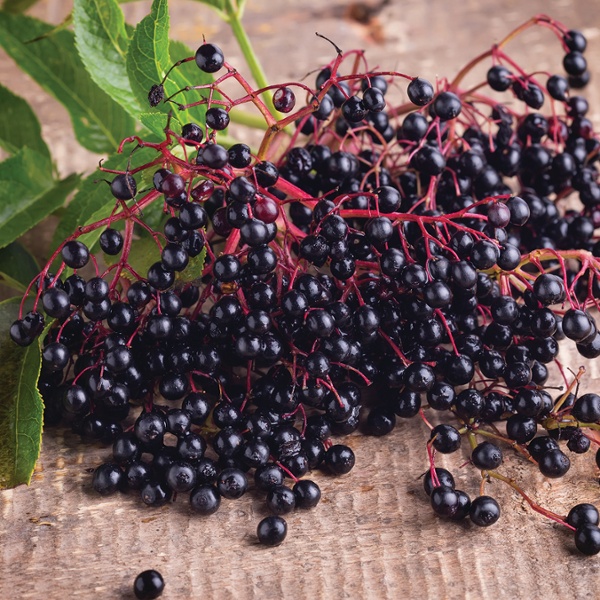
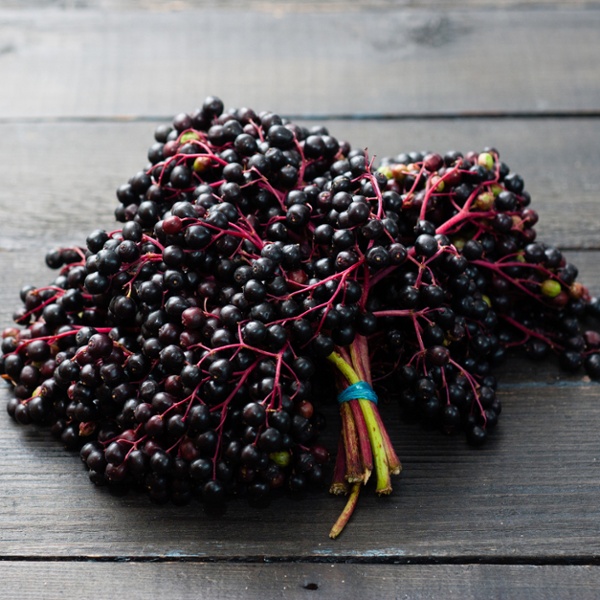
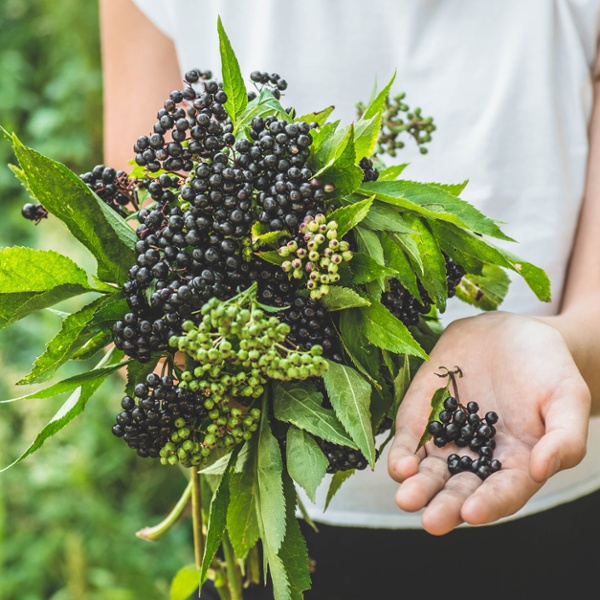
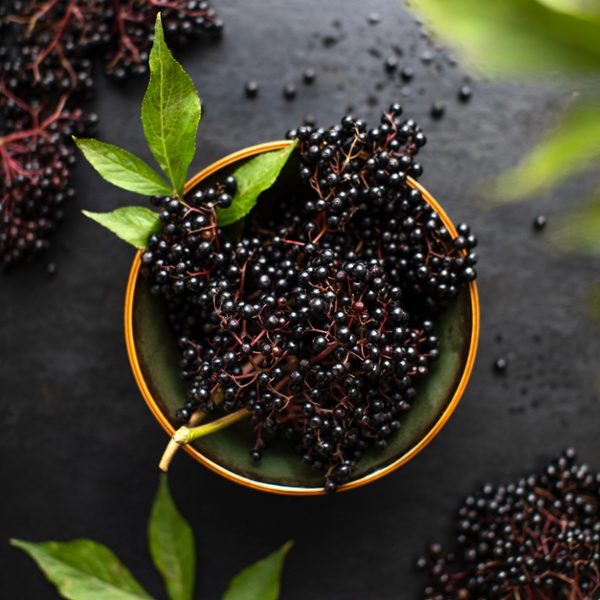
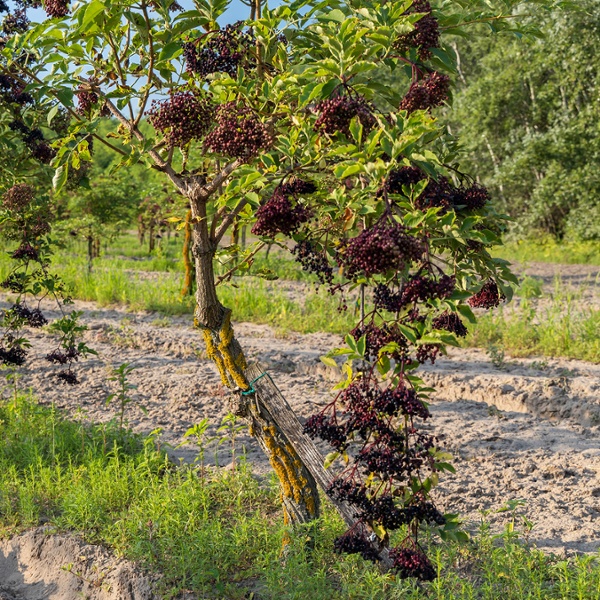
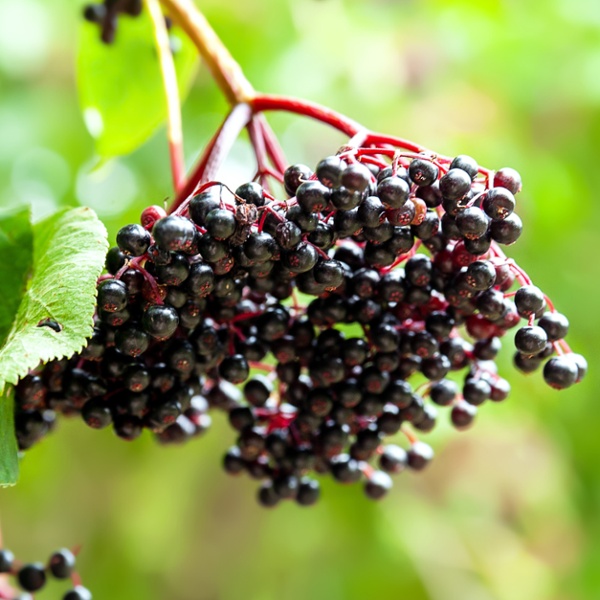
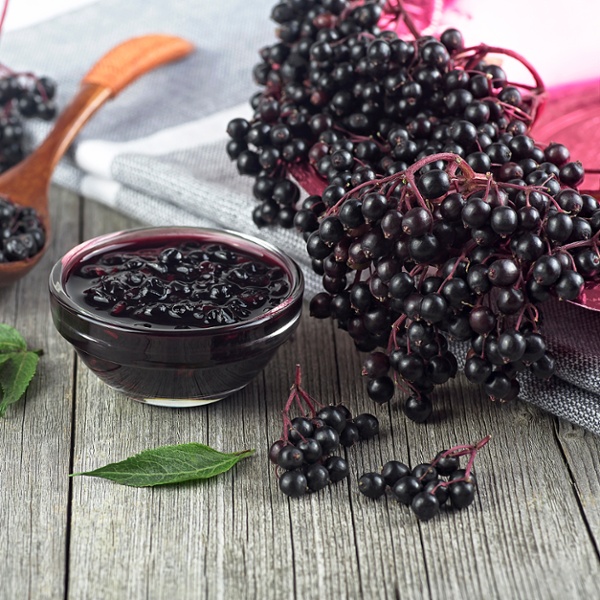
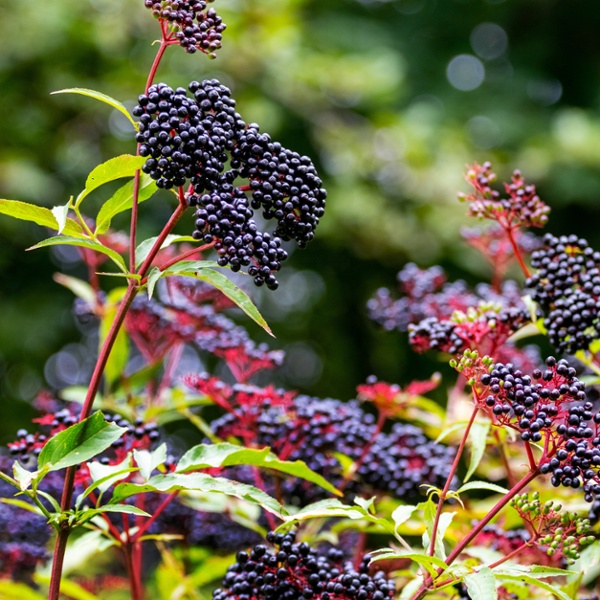
Not only are elderberries, cold hardy, fast-growing, and prolific producers, they are very nutritious and flavorful. Elderberries provide beautiful foliage in the landscape, producing white blooms in clusters that develop into deep purple and black colored fruits. The berries and the blooms are edible, but the berries must be cooked before they are safe for eating. Elderberries are a wonderful source for vitamins A and C and are full of antioxidants.
CAUTION: Raw or unripe elderberries and other parts of the elder tree, such as the leaves and stem, contain poisonous cyanide-producing substances that can cause nausea, vomiting, and severe diarrhea; cooking eliminates this toxin. Large quantities of the toxin may cause serious illness.
For more information visit: https://www.nccih.nih.gov/health/elderberry
Highlights
- Grow your own fresh fruit!
- Easy to grow and Non GMO
- Rich in vitamins A and C
- Cold hardy
- Excellent for jams, sauces and wines
Planting Care & Instructions
Remove plant from packaging. If the roots are dry, soak the roots no more than two hours before planting. Do not submerge the plant. Soak the roots only. Dig a hole slightly larger than the spread of the plant's root system. Place the plant in the center of the hole, spread out the roots and backfill with soil. Firm the soil around the roots as you backfill. Water thoroughly. Trim the plant to about half its original height and remove small side branches. Enjoy for years to come!
Growing Tips
Elderberries can produce fruit without another pollinator but will thrive when another variety is planted nearby. No fertilizers should be applied in the first year. Elderberries need little to no pruning the first two years. After the second year, prune in early spring annually. Removing older canes will encourage new, more fruitful canes to grow.