Gooseberry
(goose·ber·ry | \ ˈgüs-ˌber-ē \)
|
Light Requirements: |
|
Full Sun |
|
Hardiness Zones: |
|
Grow as Perennial in zones 3-8. Grow as Annual elsewhere. Find Your Zone |
|
Planting Depth: |
|
Deep enough so that the crown is even with the ground level. |
About
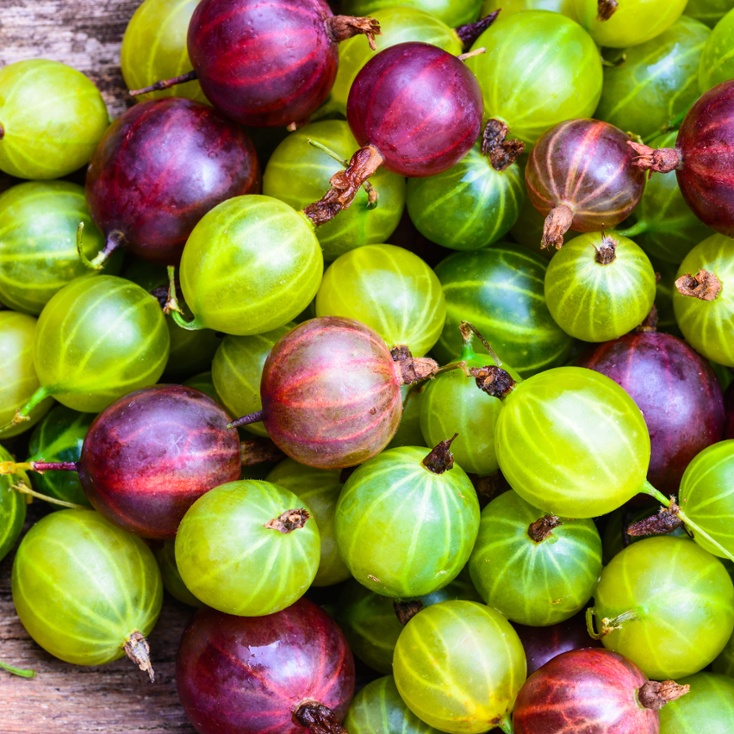
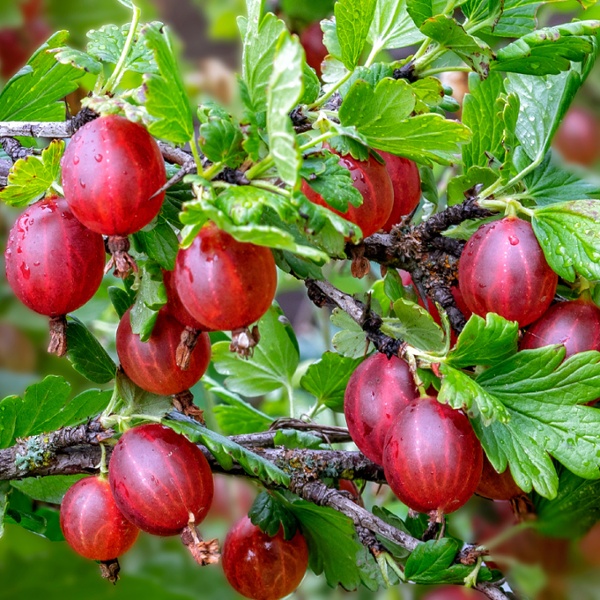
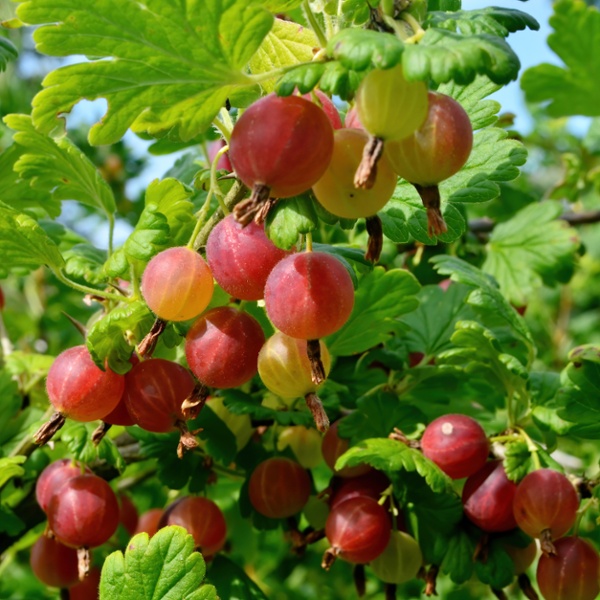
Gooseberries are grown for their edible berries and ornamental qualities. The berries are slightly smaller than a grape, with their color ranging from pale green to yellow to red. Gooseberries are said to taste like a mix of blueberry, kiwi, and grape. Gooseberries are considered a superfruit since they are high in nutrients and low in calories. They are high in fiber, potassium, and vitamins A and C, and rich in antioxidants.
Highlights
- Grow your own fresh fruit!
- Easy to grow and Non GMO
- Self pollinating
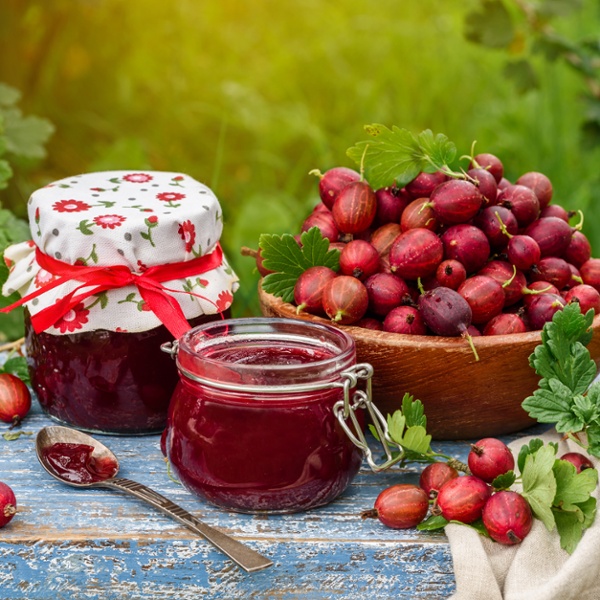
- Great for jellies, pies, cobblers, and other sugary desserts
- Attractive ornamental qualities for the landscape
Planting Care & Instructions
Remove plant from packaging. If the roots are dry, soak the roots no more than two hours before planting. Do not submerge the plant. Soak the roots only. Dig a hole slightly larger than the spread of the plant's root system. Place the plant in the center of the hole, spread out the roots and backfill with soil. Firm the soil around the roots as you backfill. Water thoroughly. Trim the plant to about half its original height and remove small side branches. Enjoy for years to come!
Growing Tips
Gooseberry plants prefer a soil pH of 6.0-6.8. Avoid soils that are very heavy or poorly drained. Prune off all 3 year old branches each spring to allow room for younger, more fruitful branches. Gooseberries produce best on 1 year wood. Gooseberries are ripe when the berries will separate easily from the stems.