



| When to Plant: | |
| Spring |
| Harvest: | |
| Fall |
| Light Requirements: | |
| Full Sun |
| Plant Height: | ||
| 6-10' | ||
| Hardiness Zones: | |
| Grow as Perennial in zones 8-12. Grow as Annual elsewhere. Find Your Zone |
| Planting Depth: | |
| Deep enough so that the root ball is even with ground level. |
| Plant Spacing: | |
| 6-10' |
| Plant Type: | |
| Bare Root |
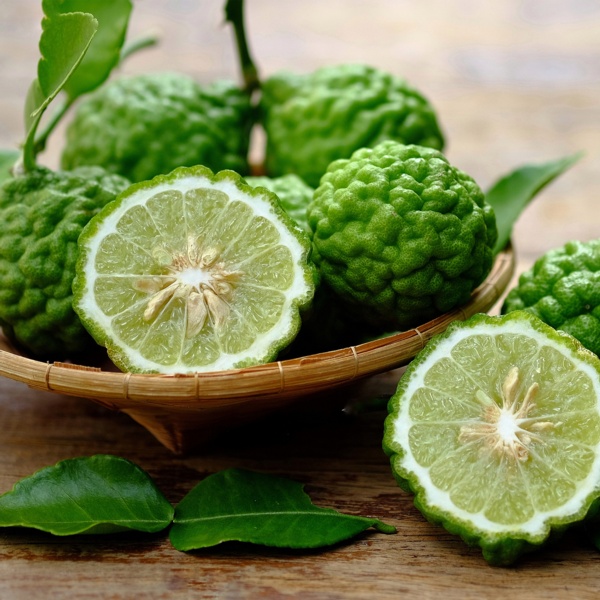
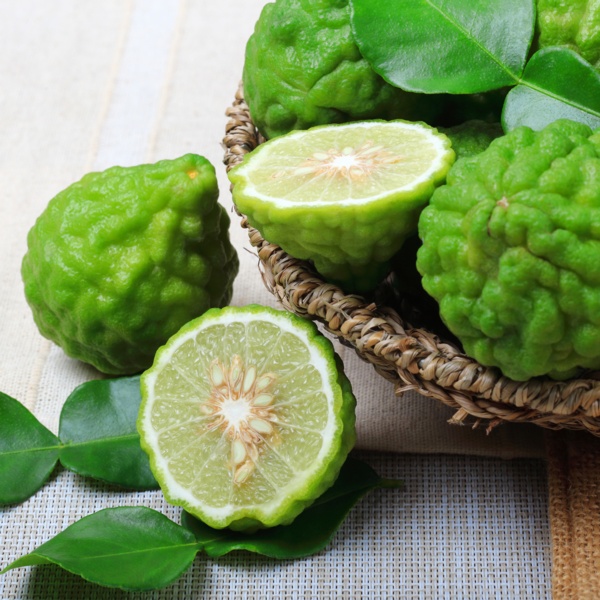
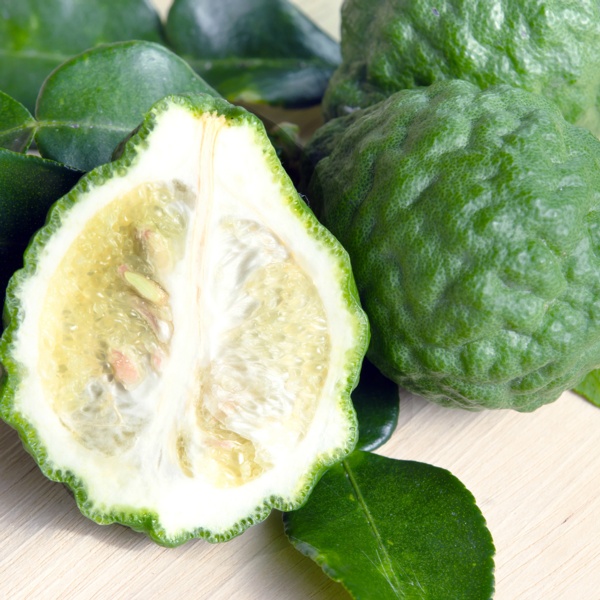
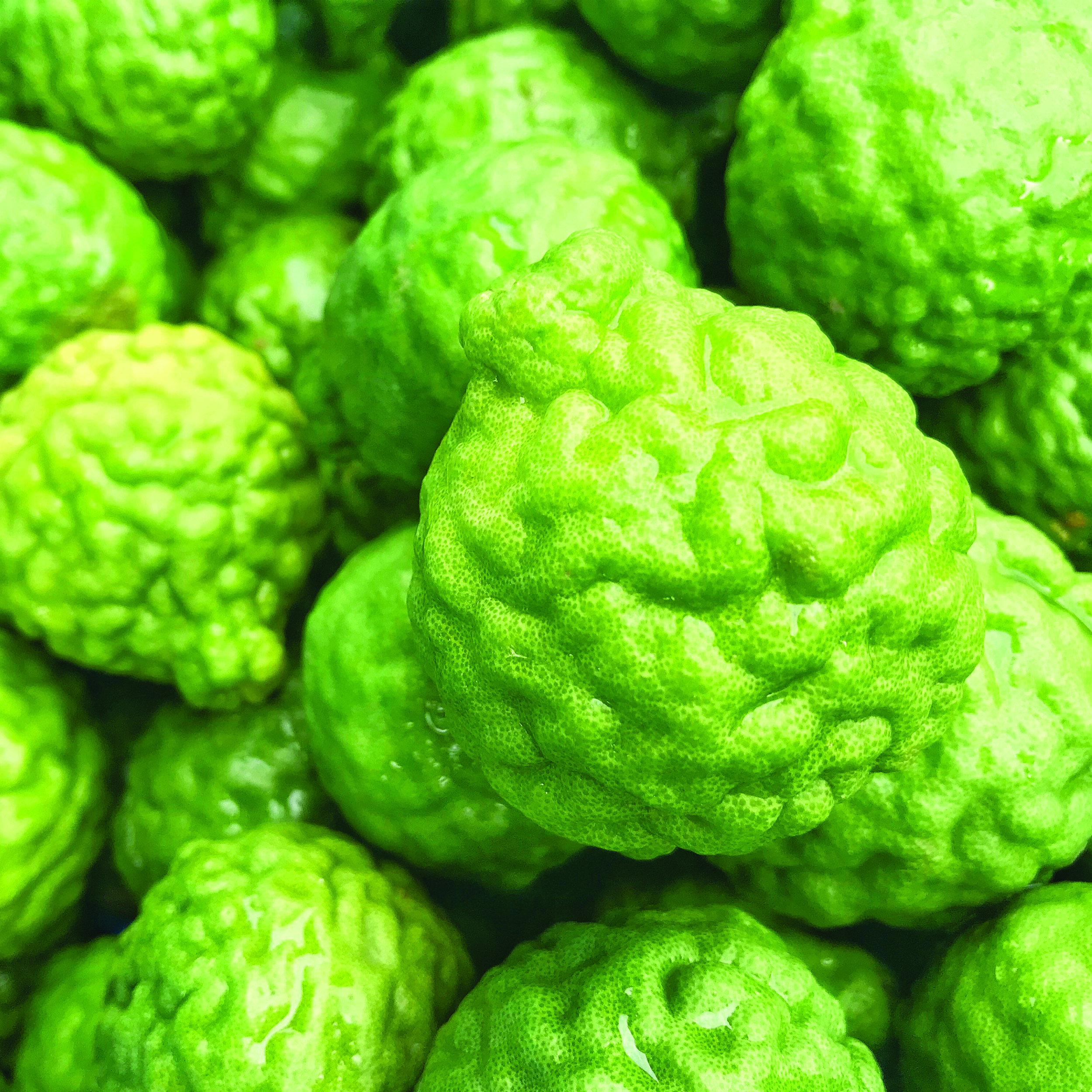
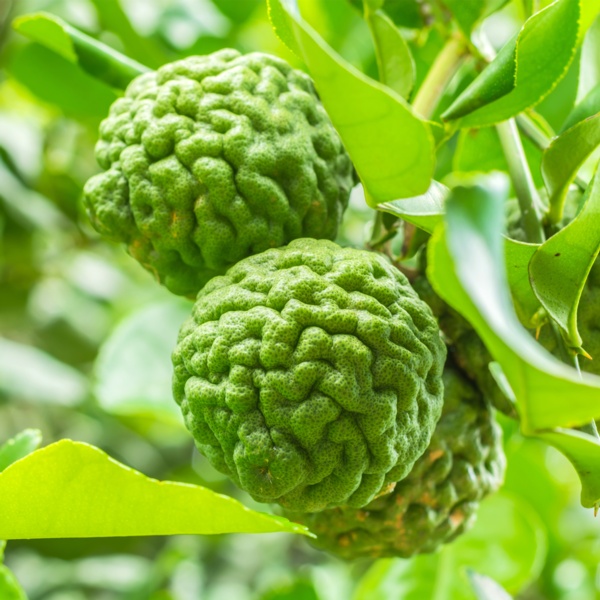
Kaffir Lime trees produce large, juicy fruit that is used for flavoring, cooking and slicing for beverages. The heavy fall crop stores well on the tree when protected by severe frosts.
Kaffir Lime trees have an upright habit, growing up to 6-10' tall. Can be maintained to desired shape and size with pruning in early spring. Expect blooms to appear in spring and harvest in fall.
To plant: Find a full sun location that receives 6+ hours of direct sun per day. Dig a hole slightly larger than the spread of the plant's root system.
Place the plant in the center of the hole. Spread out the roots and back fill with soil. Firm the soil around the roots as you back fill. Water thoroughly at planting and as needed during the growth process. Add 2-3" of mulch to conserve moisture.
Continuing care: If growth stalls, it may be necessary to shift plant to larger container. Fertilize every 4 months with citrus fertilizer. Contact your local county extension agent for diagnosis of suspected disease or other issues.
Citrus is a sub-tropical plant. Most varieties are not cold tolerant. May survive 28ºF for several hours, but not for extended duration. Typically will not survive outdoors in USDA zone 7 and lower (north). Best left in mobile container to protect against the elements. Plant may be left outdoors year-round in USDA zones 8 and higher (south). Protect during extreme cold periods.
Water thoroughly, allowing soil to dry between watering. Does not tolerate standing water. Needs sunlight year-round.
