



Lonicera
| When to Plant: | |
| Spring |
| Blooms: | |
| Summer into Fall |
| Light Requirements: | |
| Full Sun to Partial Shade |
| Plant Height: | ||
| 10-20' | ||
| Hardiness Zones: | |
| Grow as Perennial in zones 4-9. Grow as Annual elsewhere. Find Your Zone |
| Planting Depth: | |
| 1-2" |
| Plant Spacing: | |
| 2-3' |
| Plant Type: | |
| Bare Root |
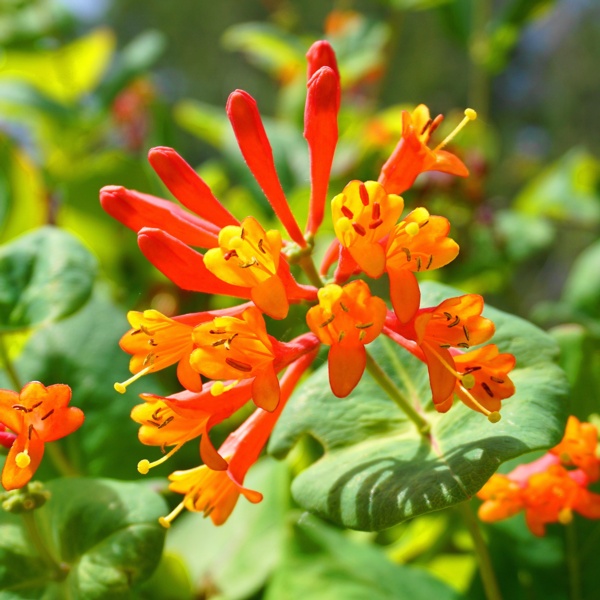
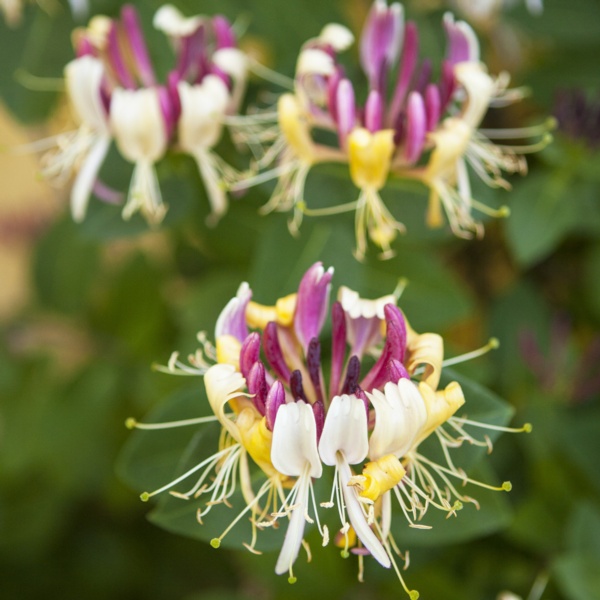
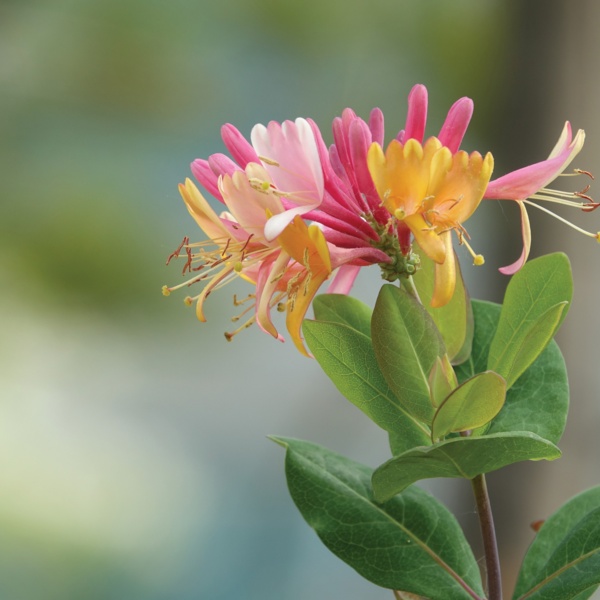
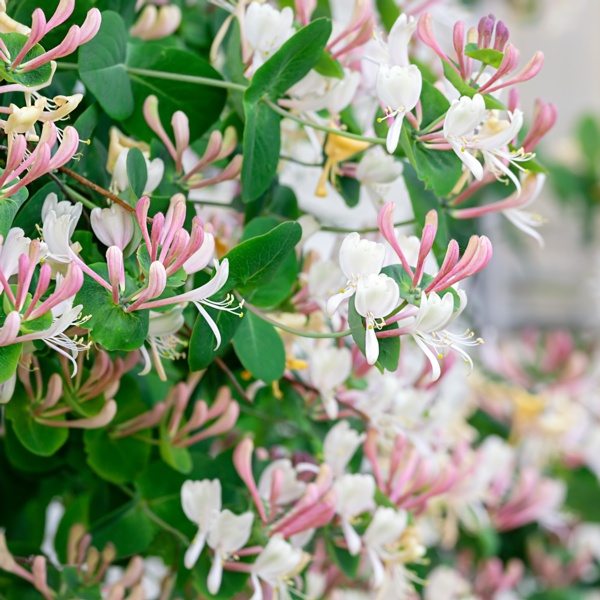
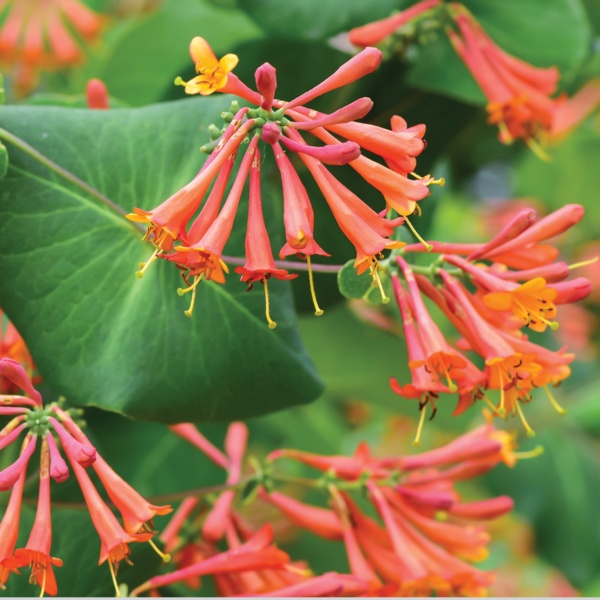
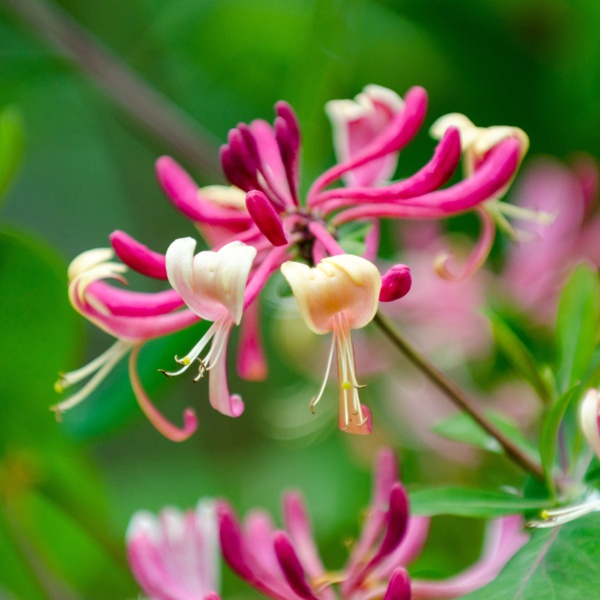
Everyone recognizes the sweet fragrance of the trumpet-shaped Honeysuckle bloom, making it a great addition to any garden or landscape. It attracts wildlife with its brightly-colored blossoms. This beauty grows in nearly every state in the U.S.A.
Because of its versatility and abundance, growing and caring for Honeysuckle is easy. Honeysuckle can be grown as a ground cover but performs best when trained to grow on a sturdy fence, post or trellis.
Plant Honeysuckle in spring after the danger of frost has passed in a full sun to partially shaded location in well draining soil.
Soil preparation: Amend soil with compost to aid in drainage and to give the vine some nutrition to help with root development.
Planting: Dig a hole in a well-draining location. Place vine in hole so that the root ball is level within the bed. Cover with soil and tamp down to remove air pockets.
Watering: Water thoroughly at planting. While actively growing, water frequently and thoroughly so that water will reach the roots.
Mulching: Mulch to keep the soil cool and to prevent the soil from drying out.
Honeysuckle blooms on the previous year's growth so you can leave it be or trim back.
