Ornamental Pear
(or·na·men·tal - pear | \ ˌȯr-nə-ˈmen-tᵊl - ˈper \)
|
Light Requirements: |
|
Full Sun |
|
Plant Height: |
|
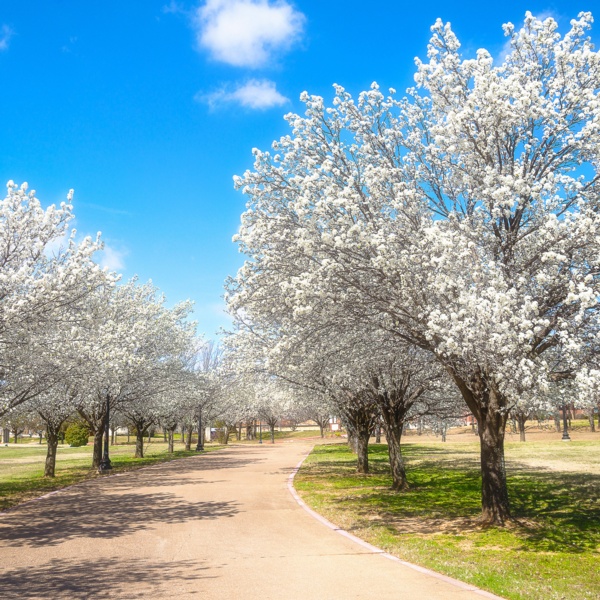
Varies by type. Cleveland Pear grows to 30-35'. |
|
Hardiness Zones: |
|
Varies by type. Grow Cleveland Pear Tree as Perennial in zones 5-8. Grow as Annual elsewhere. Find Your Zone |
|
Planting Depth: |
|
Deep enough so that the root ball is even with the ground level. |
About
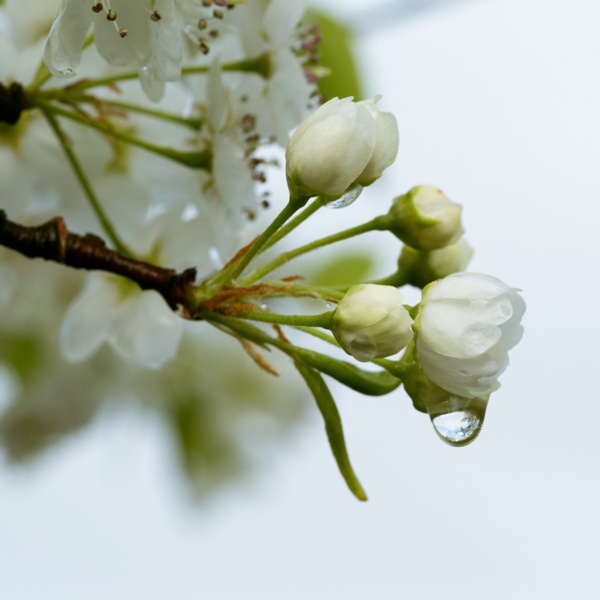
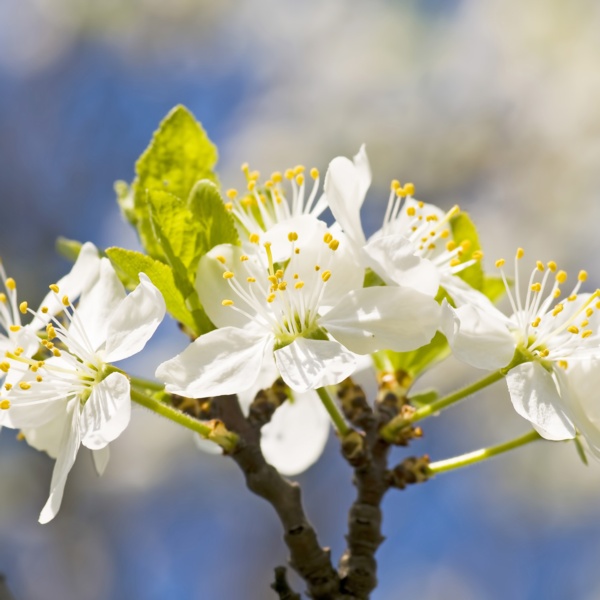
Flowering ornamental trees are an excellent addition to the landscape that provide seasonal interest. There are several varieties of Ornamental Pear Trees.
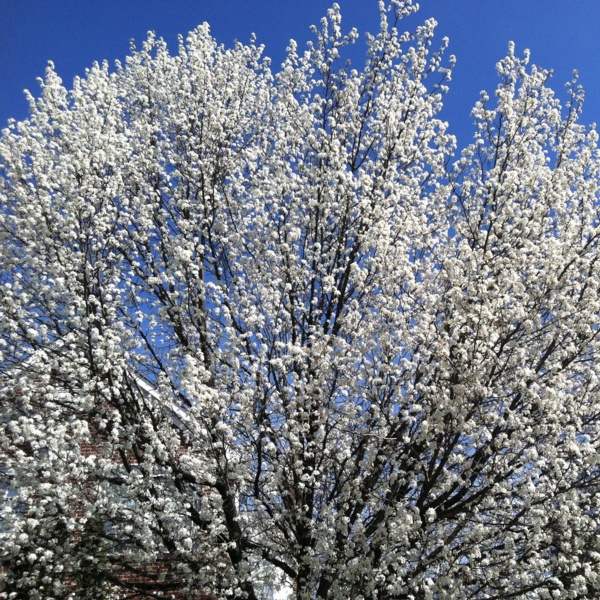
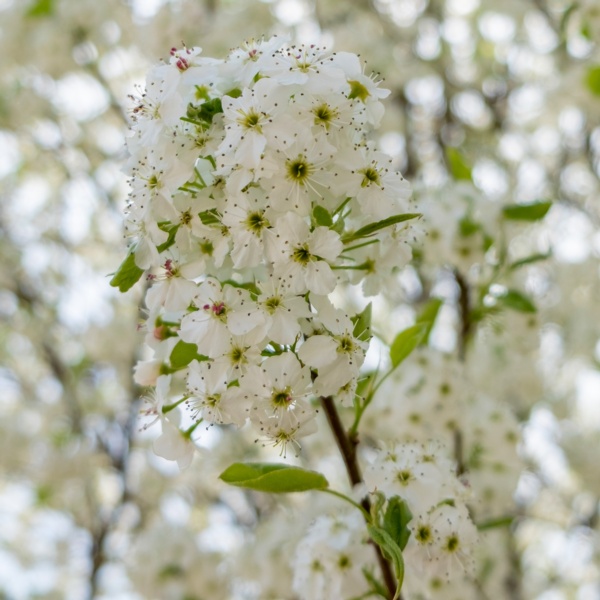
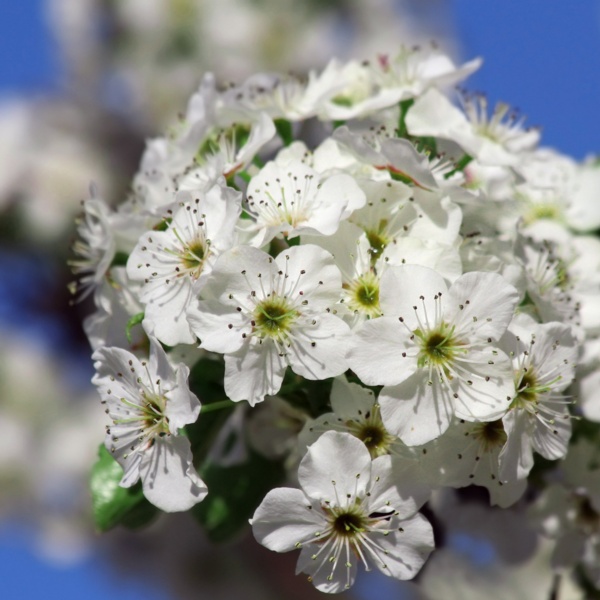
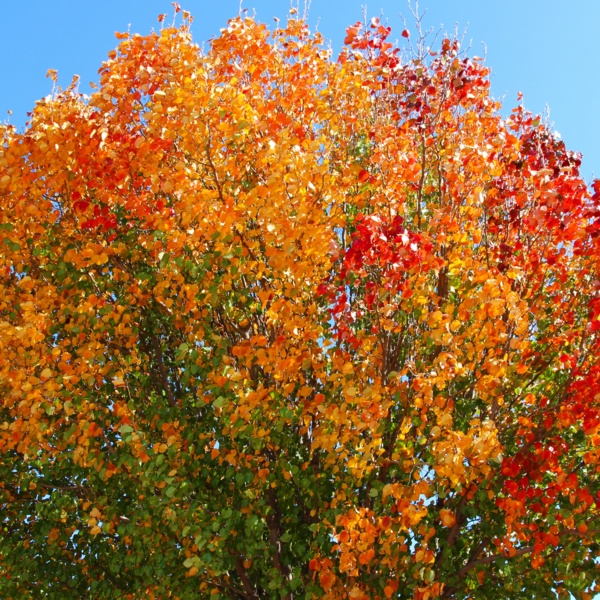
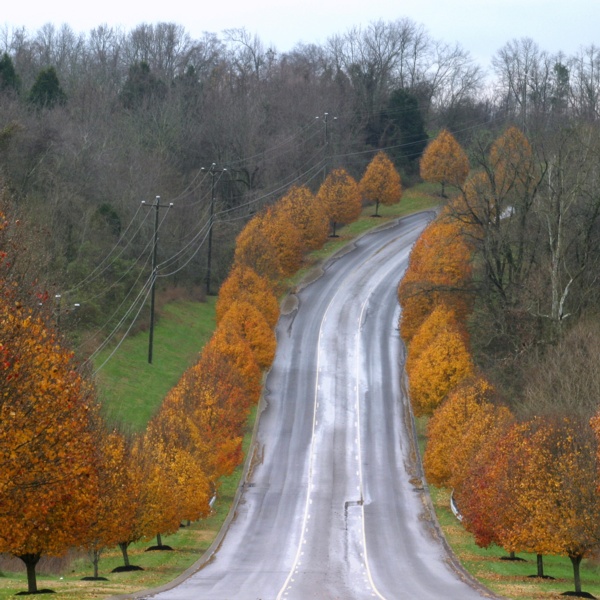
The Cleveland Pear is a classic spring flowering shade tree for your yard. It grows quickly and provides beautiful early season blooms, small inedible fruit and scarlet-purple fall color. Birds love the Cleveland Select Pear.
Highlights
- Beneficial to pollinators; attracts bees and hummingbirds
- Lovely in landscapes
- Ideal shade tree
- Blooms year after year
- Early season colors
Planting Care & Instructions
To plant: Remove tree from packaging. Dig a hole twice the width and depth of the root ball. Place roots in the middle of the hole. Be careful not to plant too deep since this will suffocate the root system. Ensure the roots are not tightly compressed.
Use your fingers or a blunt instrument to loosen the roots and spread out gently to encourage outward growth into the surrounding earth. Use soil that was removed while digging to fill the hole back, remembering to only fill to the top level of the root ball.
Water the soil, allow it to settle and add more soil if needed. Tamp the soil lightly. This will help the soil to further settle. Water the plant again. Add mulch around the plant in a 1-2" layer to help retain moisture. If experiencing hot or dry weather, it will be more important to water plants more frequently versus the recommended 1-2 times per week to water thoroughly.
Make sure to review the recommended USDA zones for your area. It is important to select plants with recommendations for your zone; otherwise, they will not be successful in your landscape due to their inability to grow in those weather conditions.
Growing Tips
Tolerant of poor soils. Prefers a heavy, sandy loam.