


Rosa
| When to Plant: | |
| Spring |
| Blooms: | |
| Varies by type. Ranges from Spring to Summer. |
| Light Requirements: | |
| Varies by type. Ranges from Full Sun to Partial Shade. |
| Plant Height: | ||
| Varies by type. | ||
| Hardiness Zones: | |
| Varies by type. Find Your Zone |
| Planting Depth: | |
| Deep enough so that the bud union is 1" above ground level. |
| Plant Spacing: | |
| Varies by type. |
| Plant Type: | |
| Bare Root |
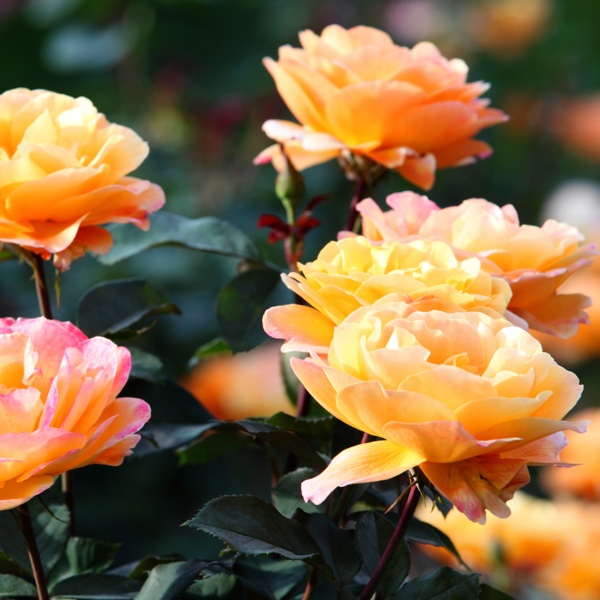
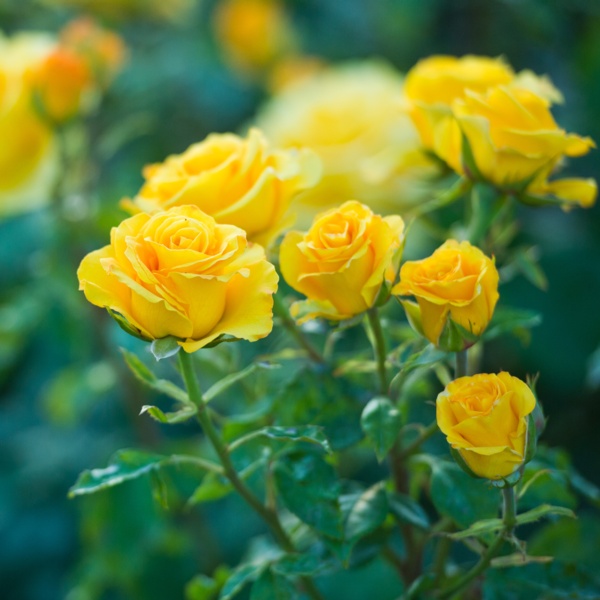
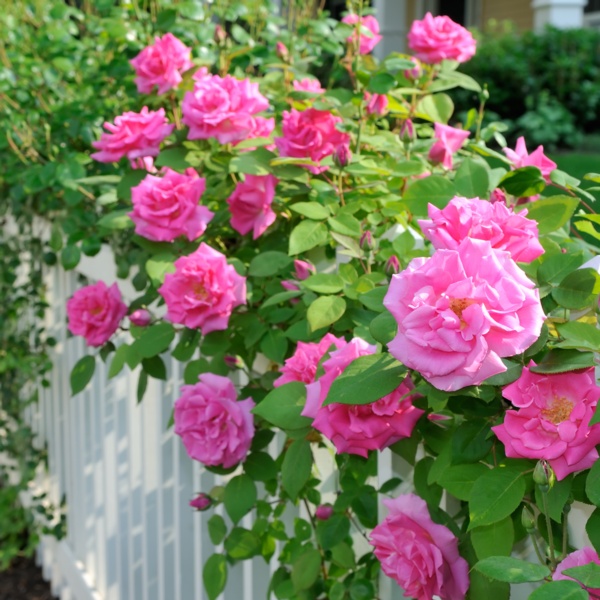
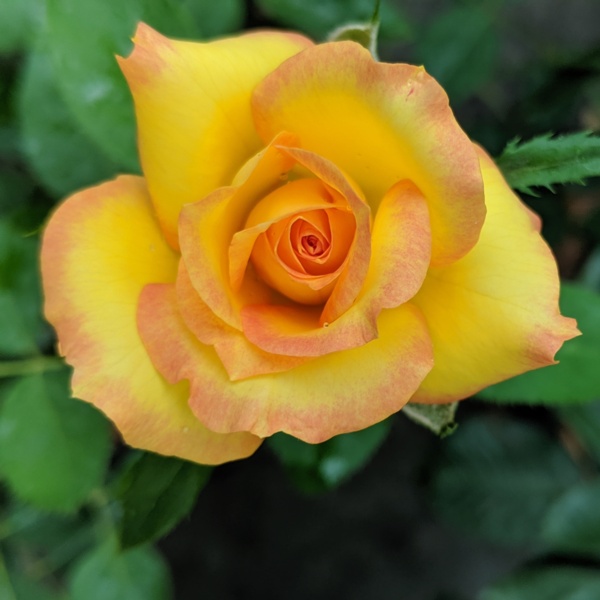
Roses are among America's favorite flowers and grow into sturdy flowering shrubs that will return for years to come. There are several types of roses - shrub, floribunda, climbing - just to name a few. Each year, the roses will grow larger and more beautiful than the prior year.
Today's roses are easy to grow, mostly fragrant, hardy and naturally disease resistant. Through our network of top professional breeders we are able to offer a selection of exceptional roses. Planting roses is fun and a rewarding way to invest in your garden for years to come.
1. Select a well-drained location away from trees and hedges where there is sun at least half a day.
2. Prepare the site by digging a hole 12-15" deep and about the same width. If available add 6-8" of compost, manure or top soil.
3. Best to plant immediately upon arrival. Remove packaging and soak the in water for about an hour. Prune the canes back to about 6" above the bud union. Spread the roots out evenly into the prepared hole. Plant at a depth with the bud union (where the branches come together) about 1" above the soil level after back filling the hole.
4. Best to mound soil or mulch over the bud union until the danger of frost has passed - removing once new growth is observed.
5. Soak soil every week until established when rain fall is deficient.
6. Fertilize with a season-long balanced fertilizer once leaves start to emerge.
Pruning an inch or so off the canes will help send a message to the rose that it is time to start growing once again.
