
| When to Plant: | |
| Spring |
| Blooms: | |
| Early Spring into Summer |
| Light Requirements: | |
| Full Sun |
| Plant Height: | ||
| Varies by type. | ||
| Hardiness Zones: | |
| Varies by type. Find Your Zone |
| Planting Depth: | |
| Deep enough so that the crown is at ground level. |
| Plant Spacing: | |
| Varies by type. |
| Plant Type: | |
| Bare Root |
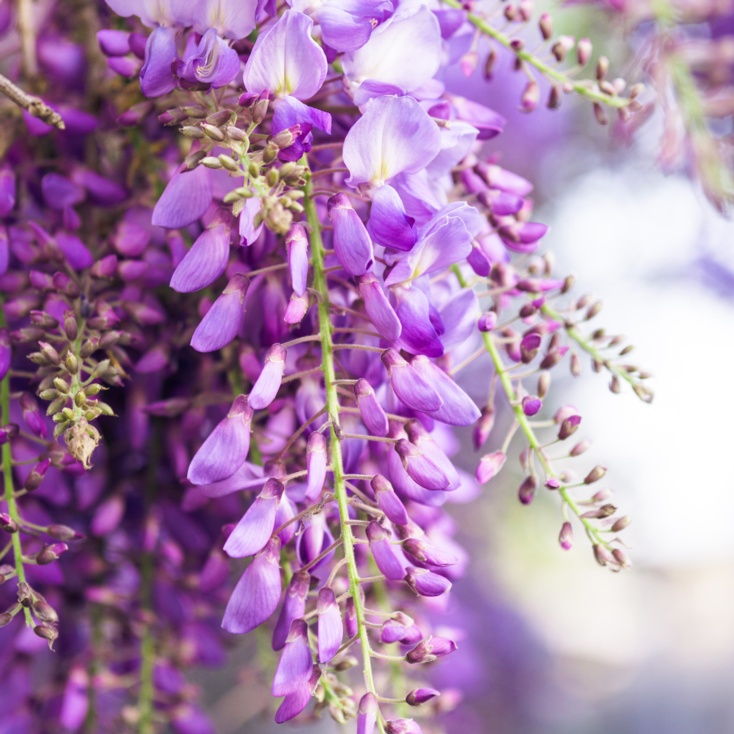
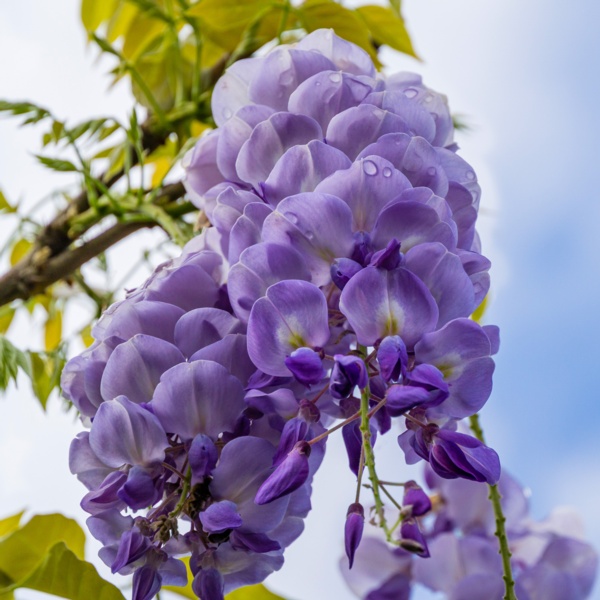
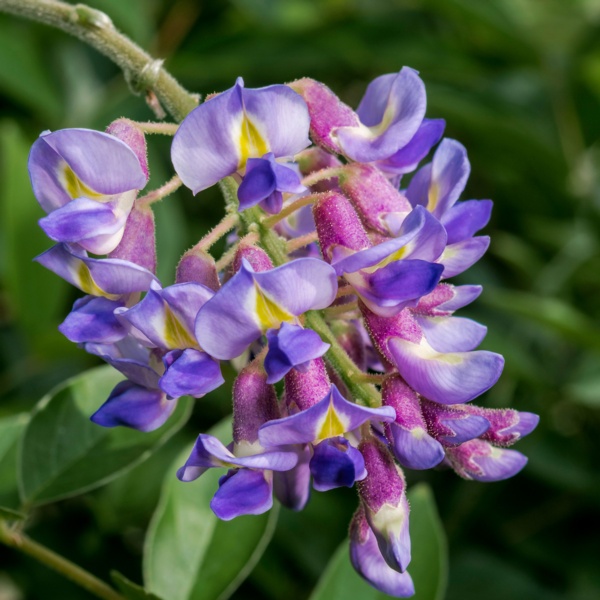
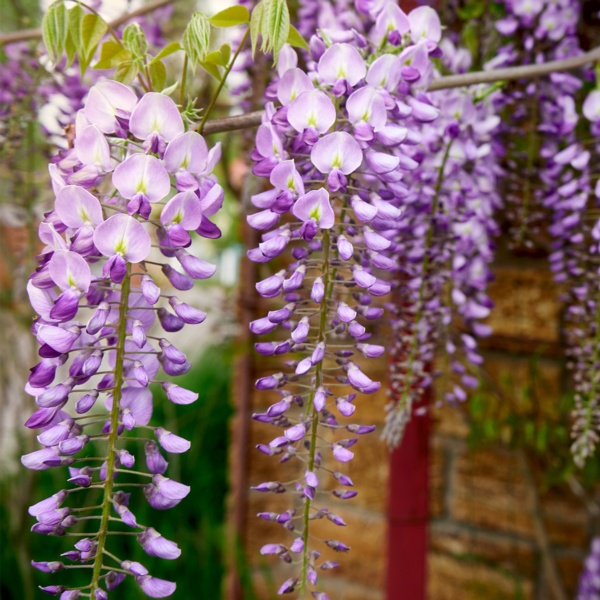
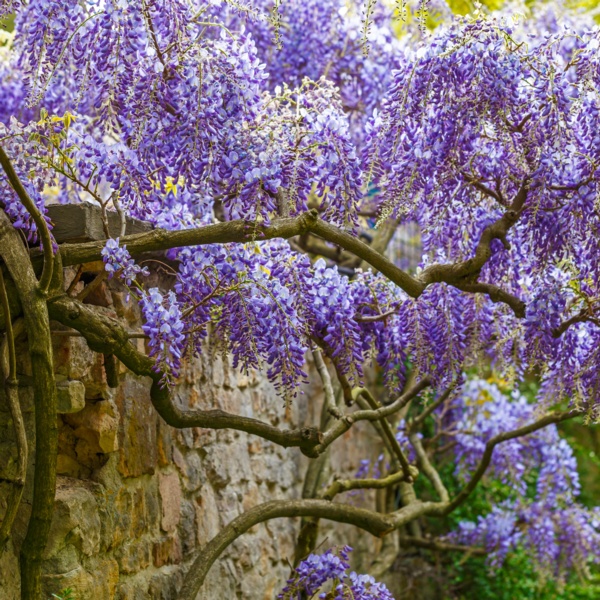
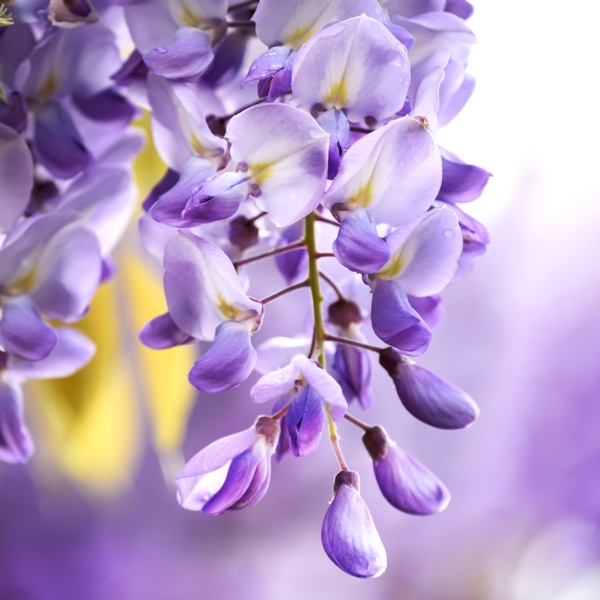
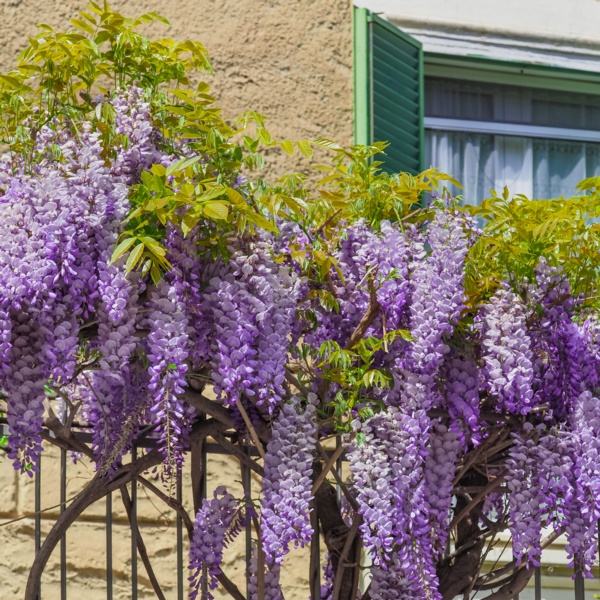
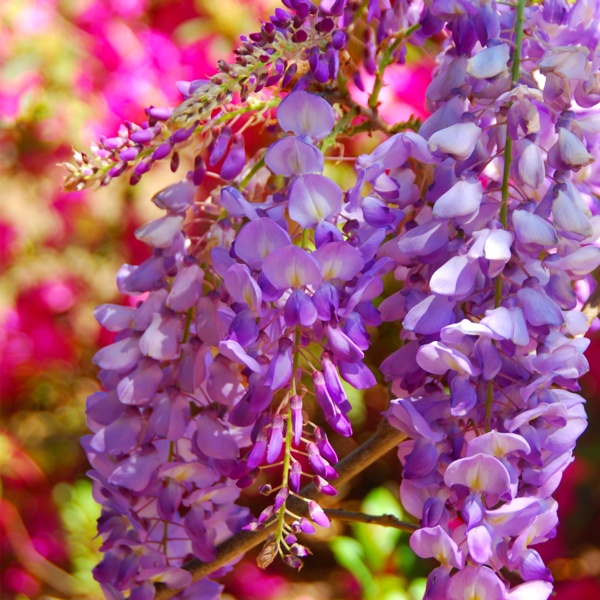
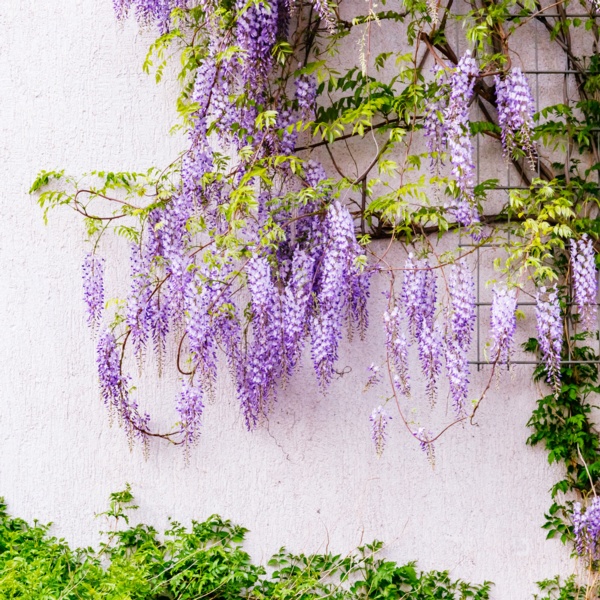
Wisteria is considered a cross between a shrub and a vine, blooming vigorously in spring with showy, cascading flower clusters that produces beautiful color. Wisteria provides the drapery, vining slipcover look to camouflage a view or provide shade over a porch or pergola. It can live a long, healthy life with no pruning at all depending on the look you seek. It happily twines, climbs, and sprawls over everything and anything in its path.
A sturdy support is recommended. It is drought tolerant and easy to grow by anyone - green thumb or not!
Soil preparation: The ideal soil is slightly acidic, moderately fertile and well-drained. Planting: Dig a hole. Prepare soil in an area two to three feet in diameter and 18-24" deep. Mix into the native soil either peat moss or compost, one-third by volume, to help improve drainage. Plant 6' apart.
Watering: Water at planting, but do not overwater. Keep soil moist and water frequently.
Mulching: Mulch to keep the soil cool and prevent the soil from drying out.
Fertilizing: Apply fertilizer before and after flowering. Do not over fertilize.
Regular pruning helps promote optimal flowering. Prune in late winter. Remove at least half the prior year's growth, leaving just a few buds per stem.
