





Nymphaea
| When to Plant: | |
| Spring |
| Blooms: | |
| Summer |
| Light Requirements: | |
| Full Sun to Partial Shade |
| Plant Height: | ||
| Varies by type. | ||
| Hardiness Zones: | |
| Varies by type. Find Your Zone |
| Planting Depth: | |
| Varies by type. |
| Plant Spacing: | |
| Varies by type. |
| Plant Type: | |
| Bare Root |
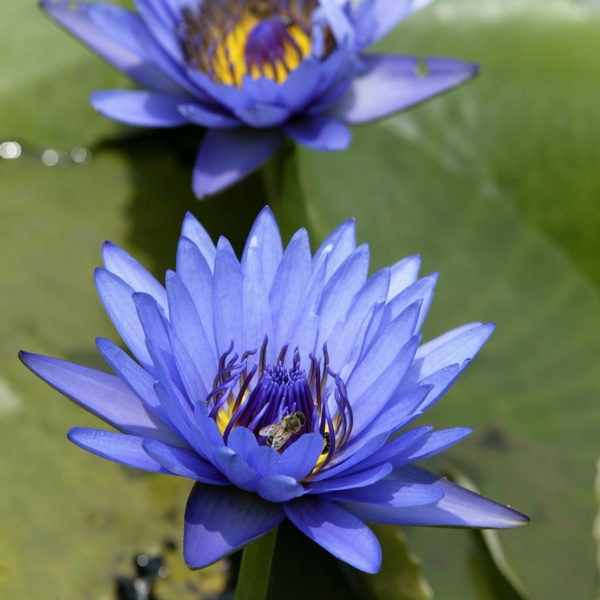
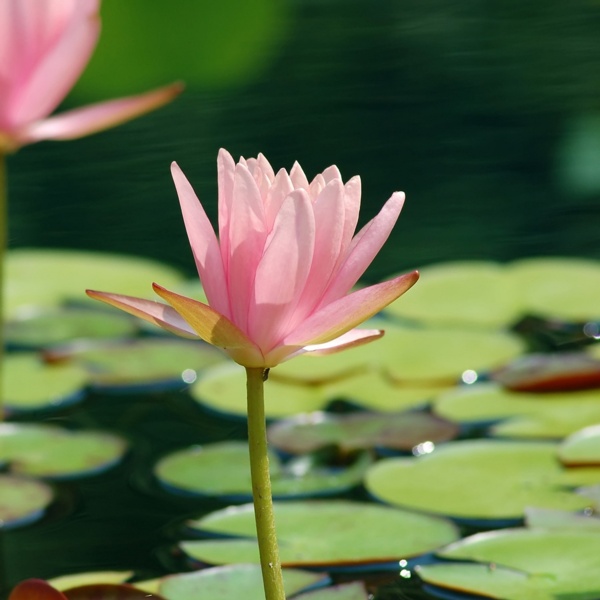
Plants of the genus Nymphaea are commonly known as waterlilies. The roots are rhizomatous, growing rounded leaves and showy bowl, star-shaped flowers. Some waterlilies are fragrant. The lily pad-like leaves range in color from greens to burgundys.
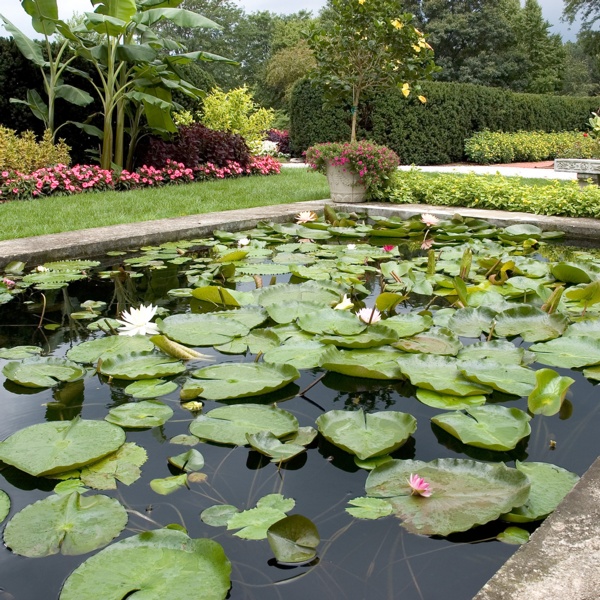
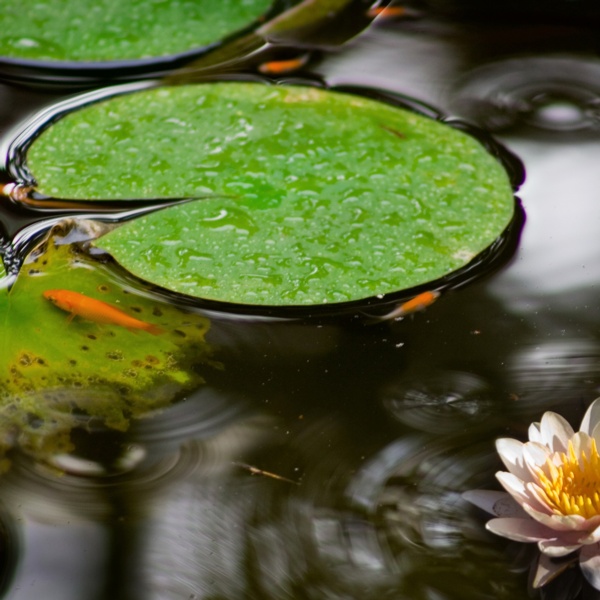
Pond plants are essential in creating a healthy ecosystem in your pond, as they provide filtration because their roots absorb nutrients out of the water that might otherwise cause algae. Pond plants also provide oxygen and keep the water clear. These water emergent plant roots grow deep underwater in planters on the pond bottom. Leaves and flowers emerge and spread upon the surface adding color, beauty, shade and protection for your water garden inhabitants. What is a pond without water plants?
Spring to summer is a good time to plant. The water is warming up and the plants should establish well. Pond plants generally prefer water temperatures above 60°F to initiate growth.
Refer to plant packaging for variety specific planting instructions.
Most of our kits come with everything needed to grow; basket, fabric basket liner, soil, stones, plant food and the plant. General kit instructions below.
To grow, follow these steps:
1. Unpack the box of components.
2. Remove the fabric bag with soil and bag with stones from the plastic bag.
3. Neatly place the black fabric bag with soil into the basket.
4. With scissors, shorten the black fabric bag about 1.5" above the rim of the basket.
5. Add the plant food tabs by pushing them into the clay. Remove the root from its package, sphagnum moss and all, and plant it in the center of the basket. Leave the tips slightly exposed.
6. Fold the fabric bag back over onto the top of the soil. This should leave an opening in the middle for the plant to grow. If not, cut the bag back some more.
7. Place the stones on top of the basket to weigh it down.
8. Before placing the basket into the pond, water it heavily several times to settle and solidify the soil. It's best to do this several times.
9. Submerge the entire basket into the pond, about a foot at a time, until you have it at the location of your choice.
To make your pond look natural and balanced, it is usually best to choose a variety of plants. One waterlily will cover approximately 15 square feet in five years or so.
