Freesia
(free·sia | \ ˈfrē-zh(ē-)ə, -zē-ə \)
|
When to Plant: |
|
Fall or Spring |
|
Blooms:
|
|
Late Winter to Early Spring |
|
Light Requirements: |
|
Full Sun to Partial Shade |
|
Hardiness Zones: |
|
Grow as Perennial in zones 9-10. Grow as Annual elsewhere. Find Your Zone |
About
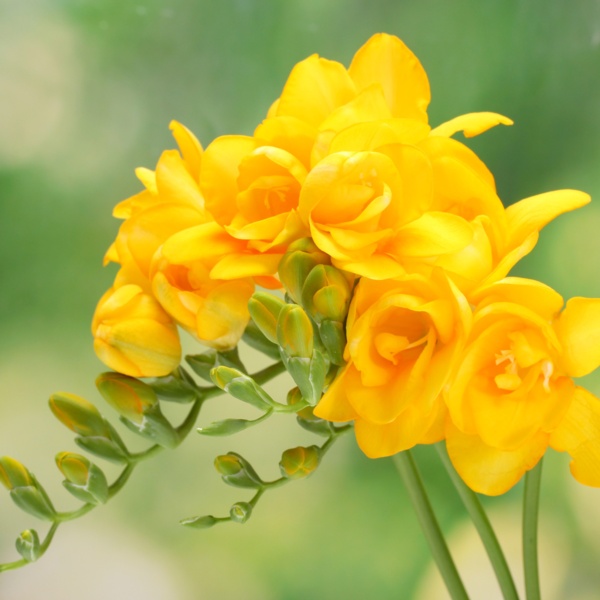
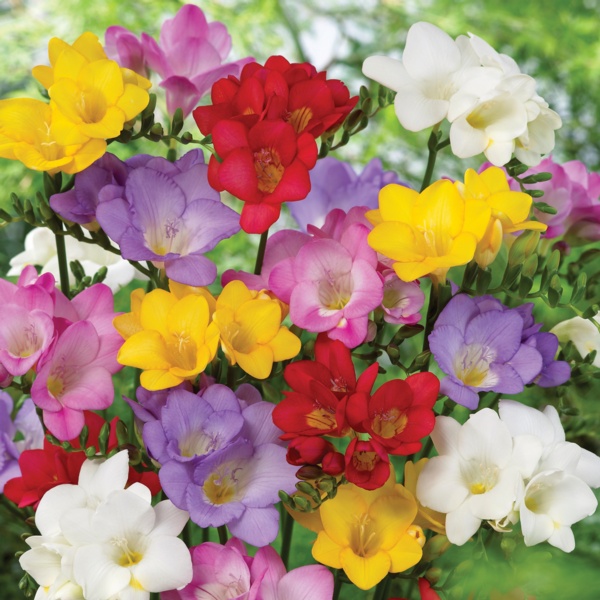
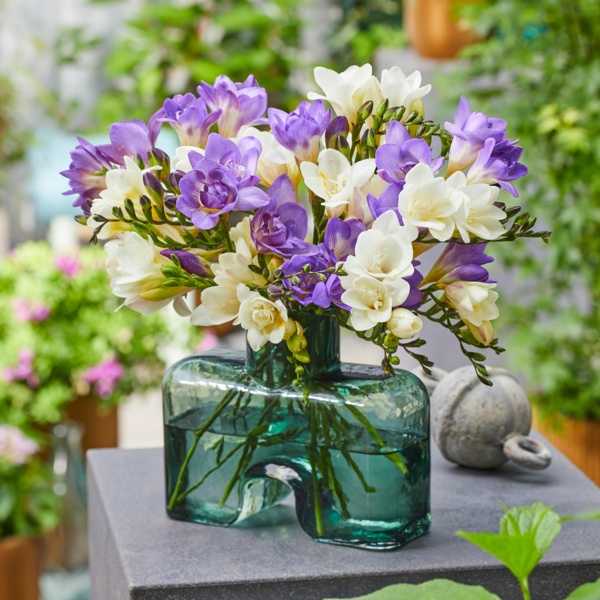
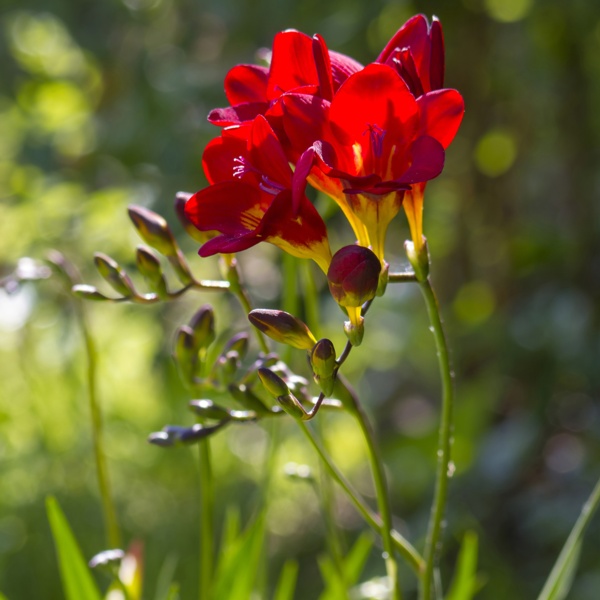
The exotic blooms of freesias are well known for the delightfully sweet fragrance. Freesias are available in a wide variety of bold, single or double blooms that appear on leafless, arching, wiry stems.
Highlights
- Delightfully sweet fragrance
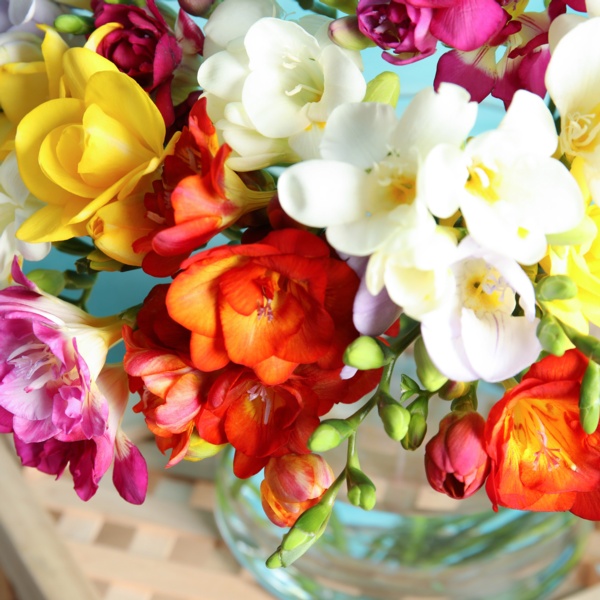
- Long-lasting cut flowers
- Grows well in containers, borders, rock gardens & mass plantings
- A florist favorite
- Available in a wide range of bold colors
Planting Care & Instructions
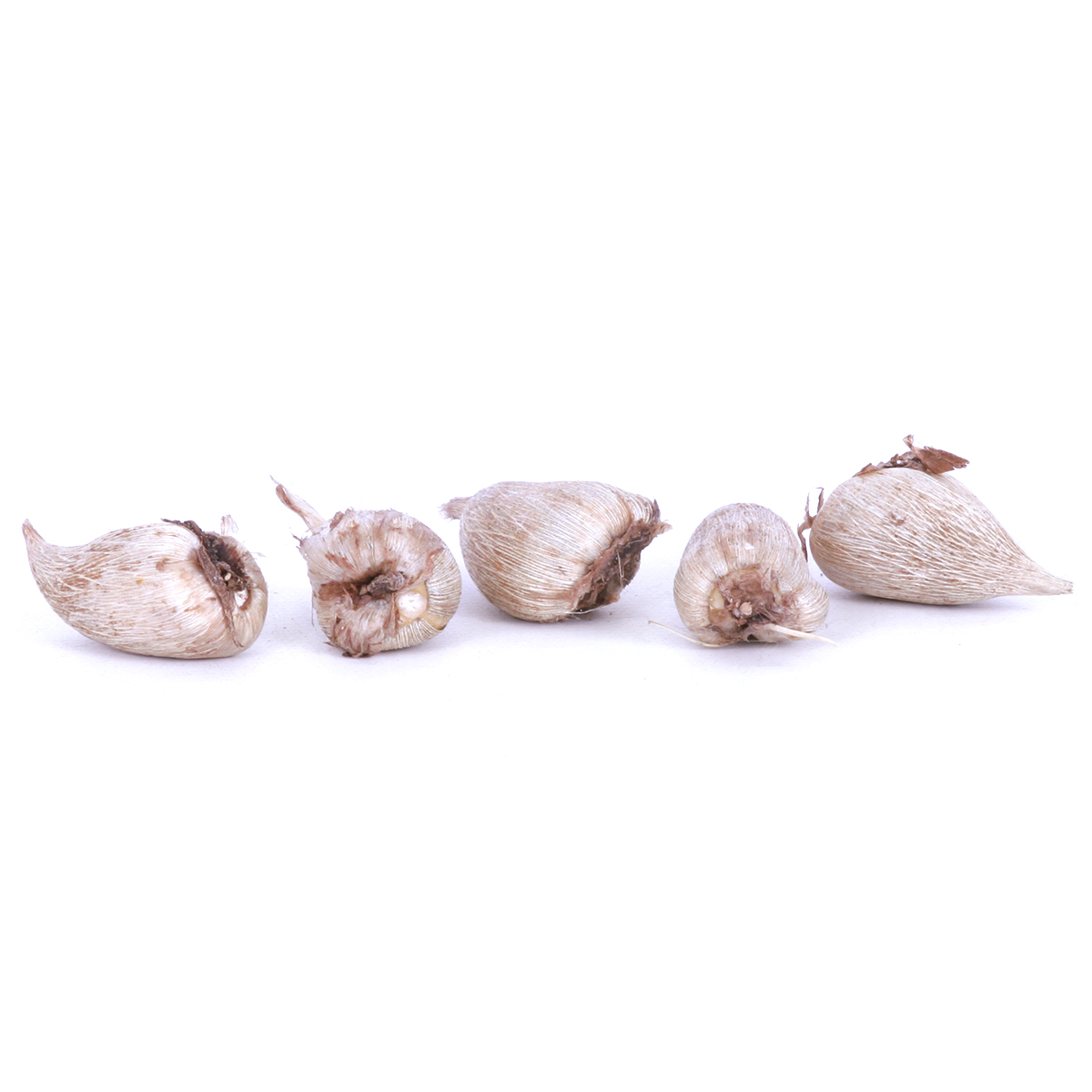
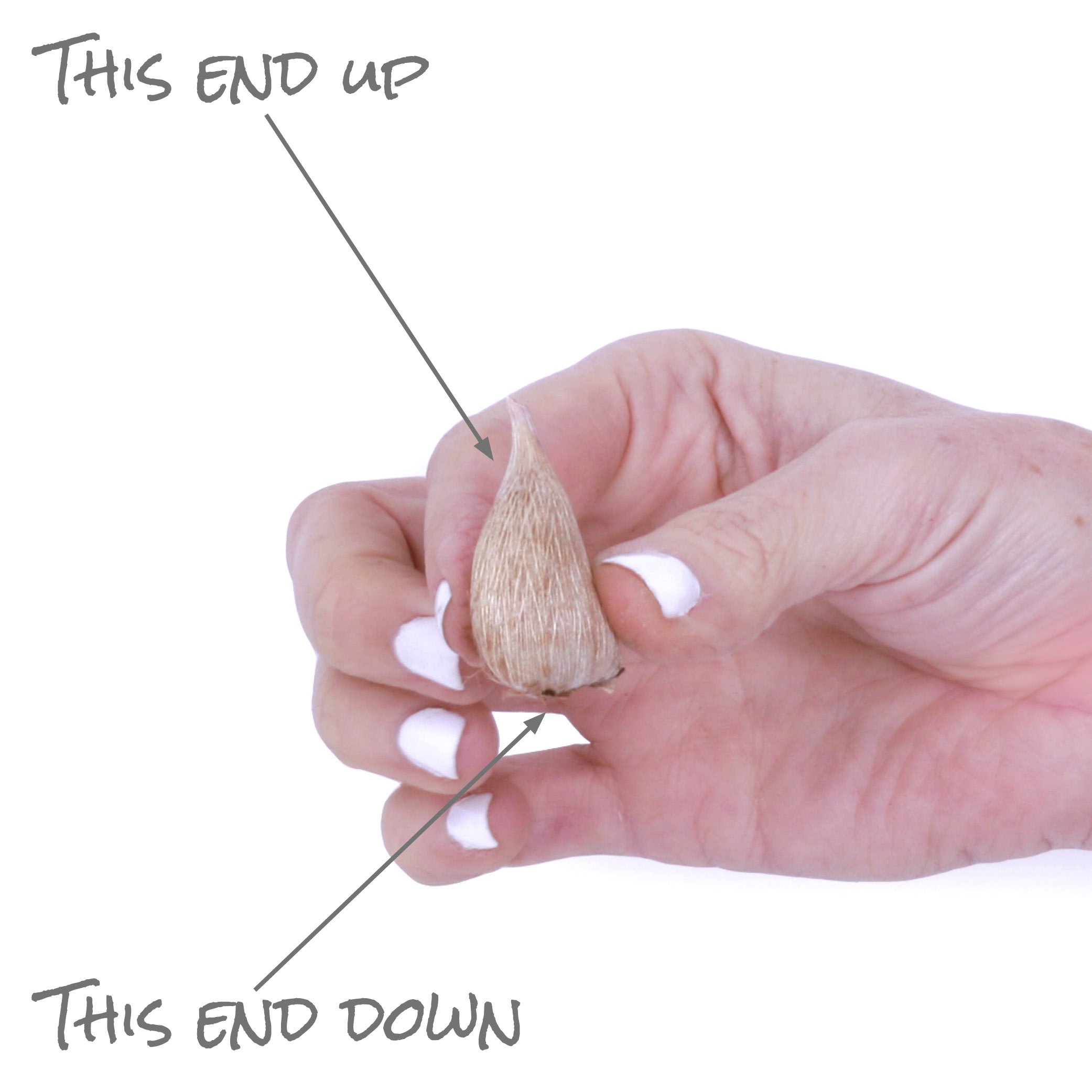 Plant in the fall, before the first frost hardens the soil. Before planting, soak the corms in lukewarm water 3-4 hours to jump start development.
Dig a hole to the required depth. Place corm in hole with the 'claws' pointing downward. Cover with soil and water thoroughly. Mulch in extreme climates. In USDA zones 8 and below, freesia will not survive the winter and should be dug up if you wish to overwinter them.
Refer to the USDA Planting Zone Map to find your zone.
Growing Tips
Freesias look best planted in groups. Plant approximately 15 bulbs per square foot. Extend the blooming season in a cut garden by planting a few corms bi-weekly since they bloom 10-12 weeks after planting. Freesia can also be grown in pots indoors.