
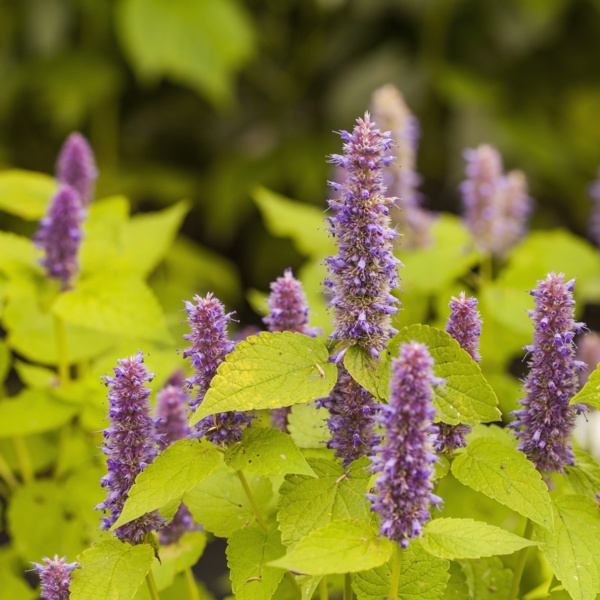
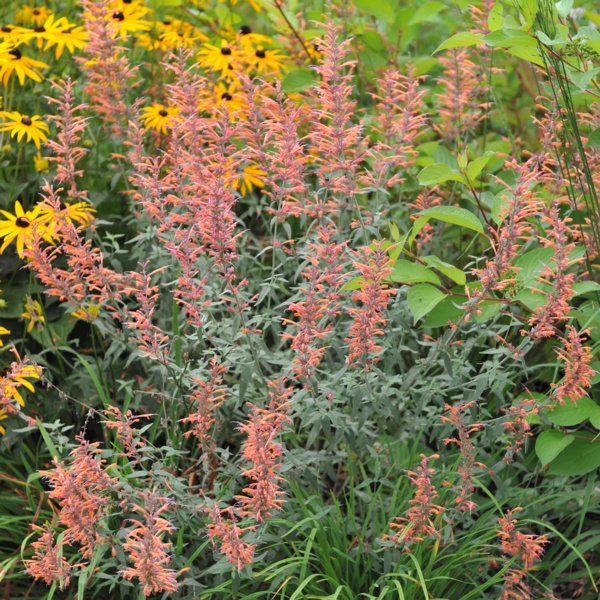
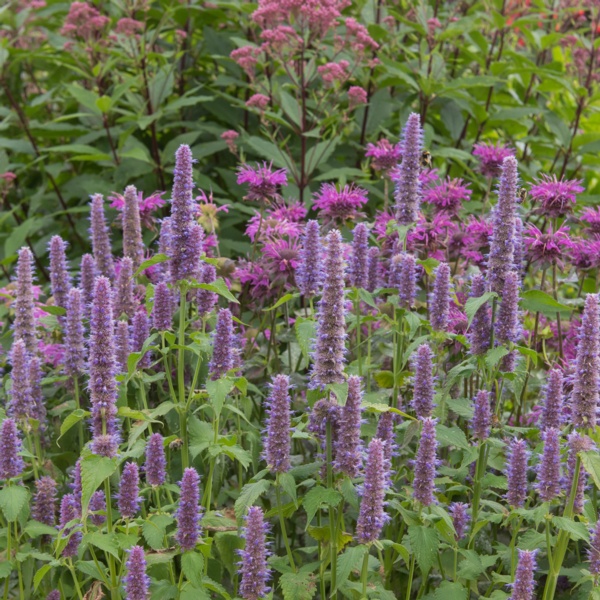

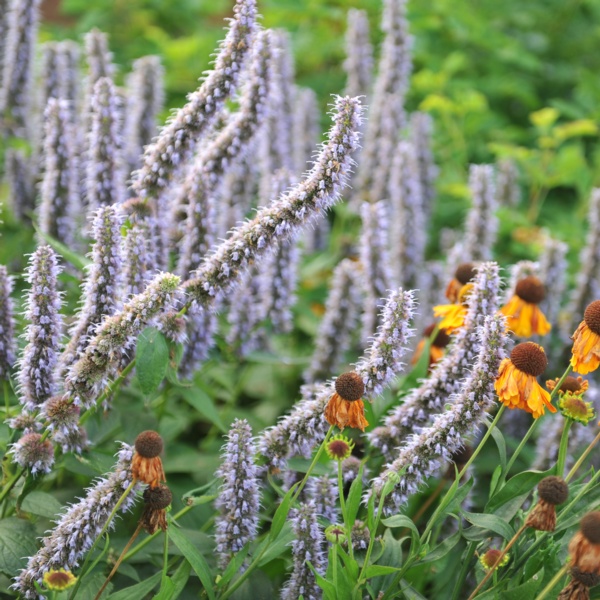
Giant Hyssop, Hummingbird Mint
| When to Plant: | |
| Spring |
| Blooms: | |
| Summer to Early Fall |
| Light Requirements: | |
| Full Sun |
| Plant Height: | ||
| 24-36" | ||
| Hardiness Zones: | |
| Grow as Perennial in zones 5-9. Grow as Annual elsewhere. Find Your Zone |
| Planting Depth: | |
| 1-2" |
| Plant Spacing: | |
| 12-24" |
| Plant Type: | |
| Bare Root |
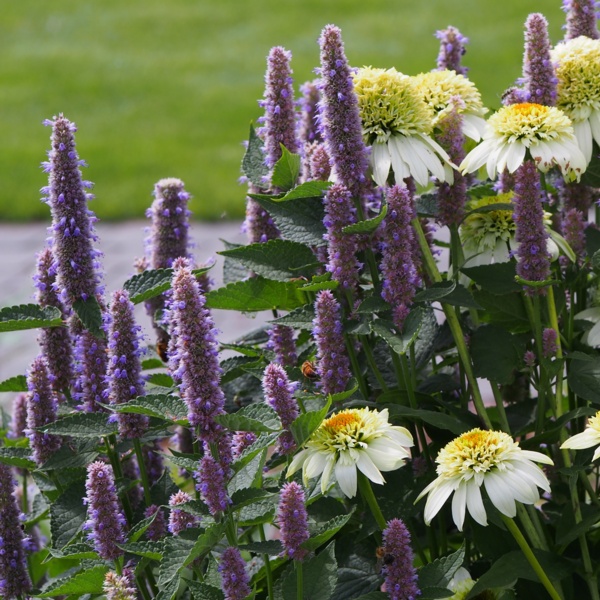
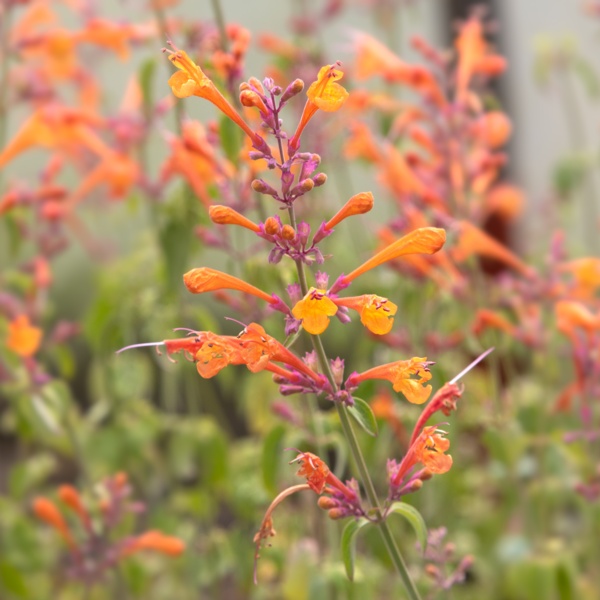
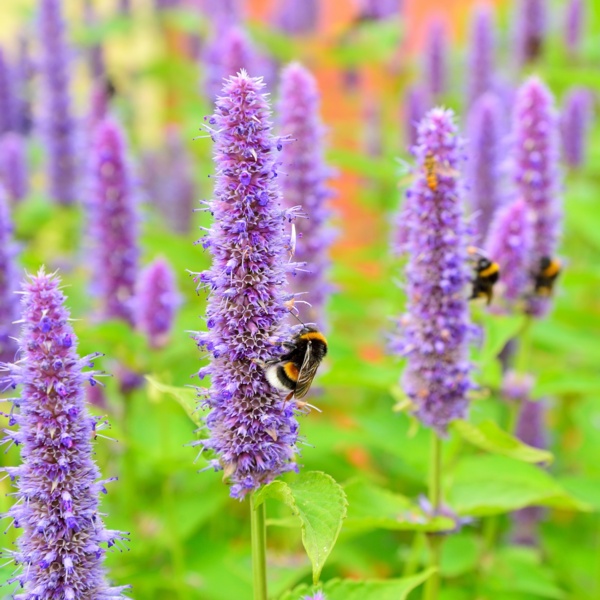
Agastache is a perennial with beautiful flower spires of pink, mauve, blue, orange and white that bloom summer to early fall. Agastache tolerates low moisture and poor soil conditions and grows best in drought conditions.
Agastache is in the Hyssop herb family and is used in teas.
Plant Agastache in the spring after all danger of frost has passed. Agastache prefers full sun locations.
The ideal soil is rich and porous and drains well, yet still holds enough water for the roots. If your soil is heavy clay and drains slowly, or very sandy and does not hold water, add organic soil amendments like peat moss or ground bark. Spread a 3-4 inch layer of soil amendment if needed and incorporate into the soil to a depth of 10 inches.
Plant 1-2" deep and 12-24" apart. Cover with soil. Water thoroughly at planting. While actively growing, water frequently and thoroughly so that water will reach roots. Mulch to keep the soil cool and to prevent the soil from drying out.
Apply fertilizer before and after flowering.
Deadhead after blooming to encourage more flowers to return in the same season.
Where winter weather may be severe, plants should be located in a protected spot in the garden with southern exposure. Do not remove leaves and stems before winter as they provide some protection when left in place until spring.
Agastache is a self-sowing plant and its seedlings may bloom and grow in different colors from the parent plant.
