Butterfly Milkweed, Butterfly Weed, Chieger Flower, Chiggerflower, Indian Paintbrush, Milkweed, Pleurisy Root
| When to Plant: | |
| Spring |
| Blooms: | |
| Summer to Fall |
| Light Requirements: | |
| Full Sun |
| Plant Height: | ||
| Varies by type. Ranges from 12-60". | ||
| Hardiness Zones: | |
| Grow as Perennial in zones 4-9. Grow as Annual elsewhere. Find Your Zone |
| Planting Depth: | |
| 2-3" |
| Plant Spacing: | |
| 12-20" |
| Plant Type: | |
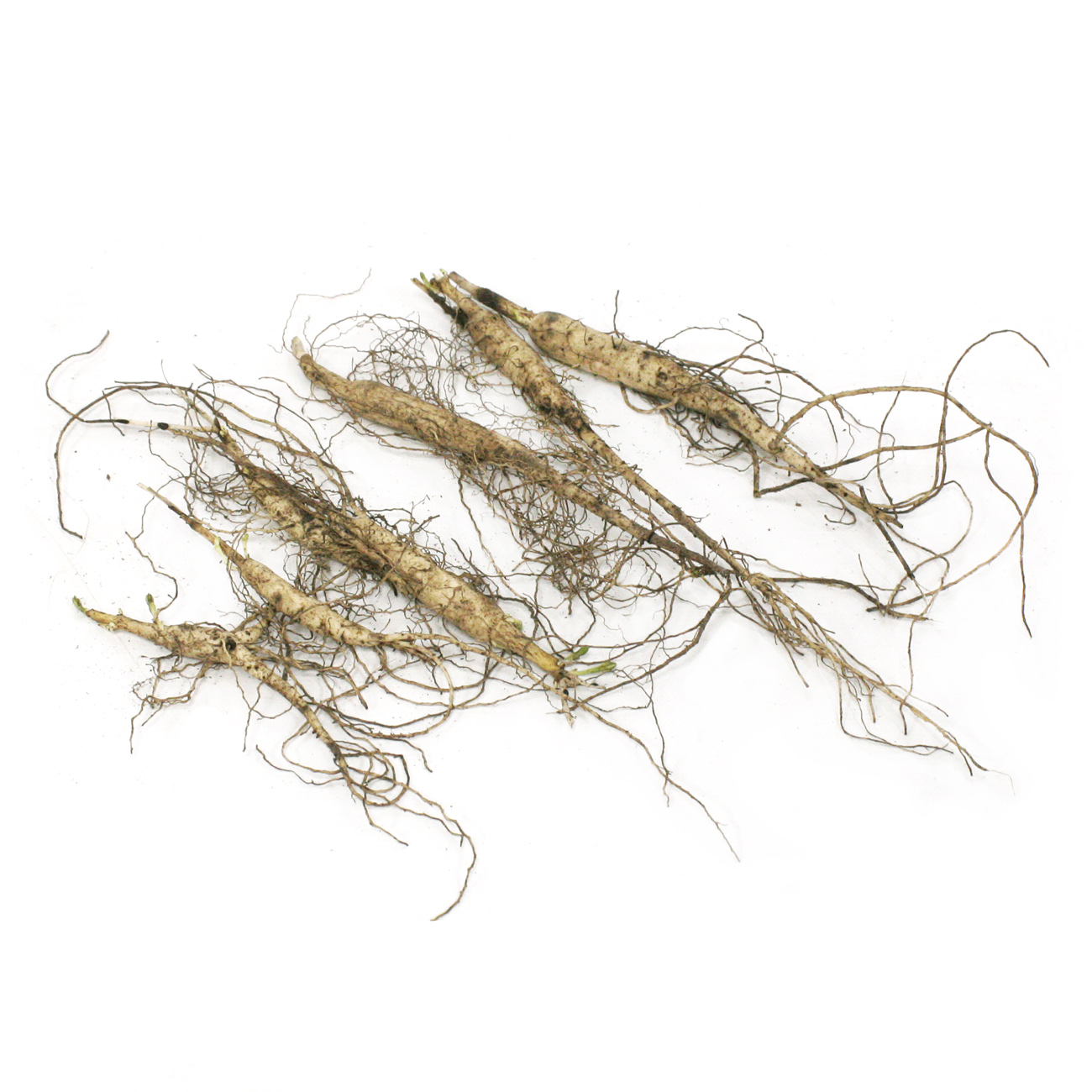
| Bare Root |
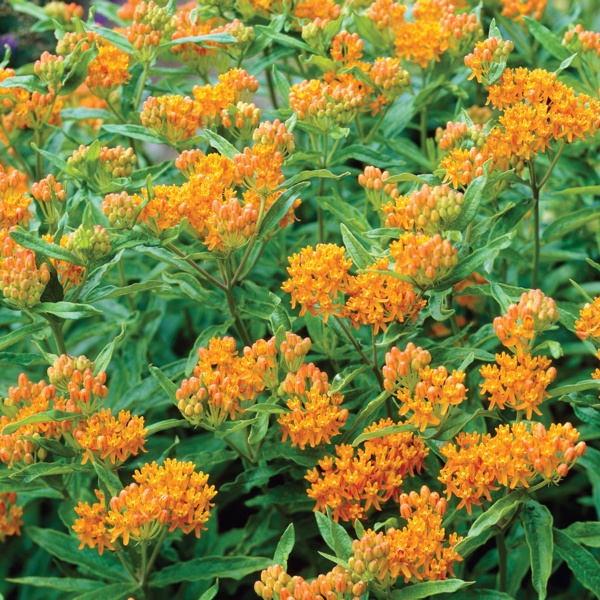
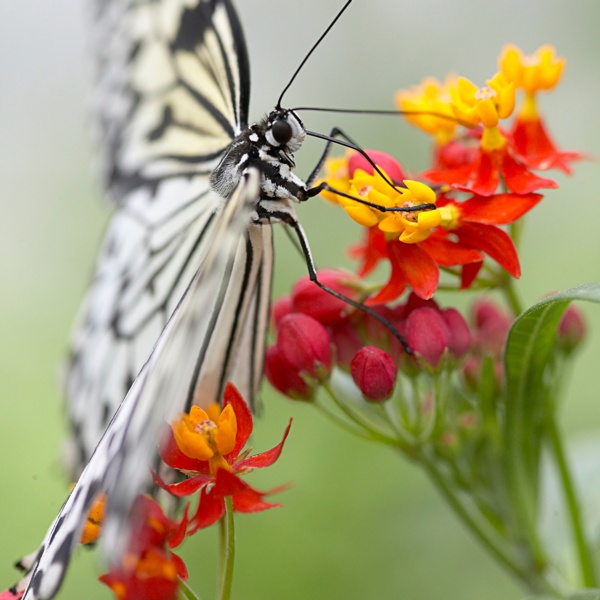
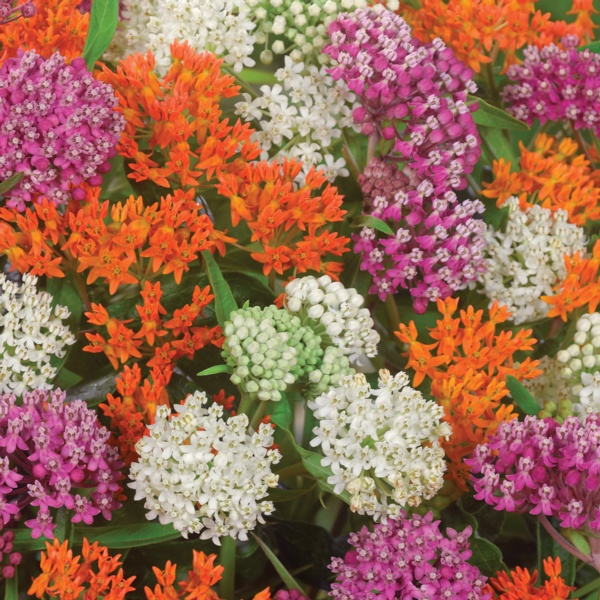
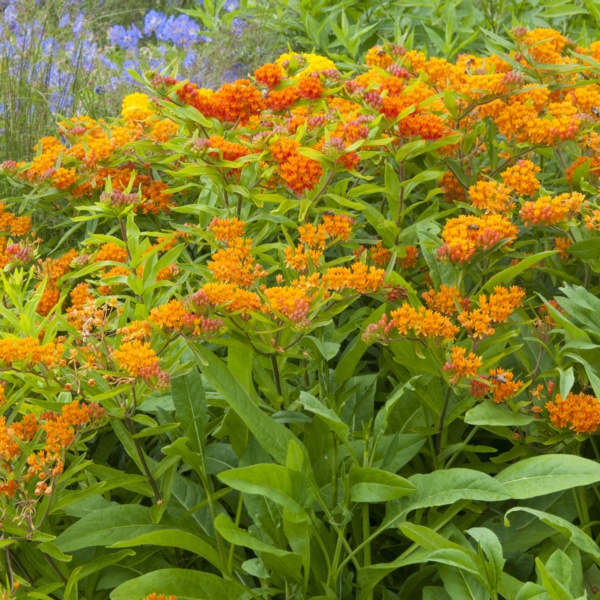
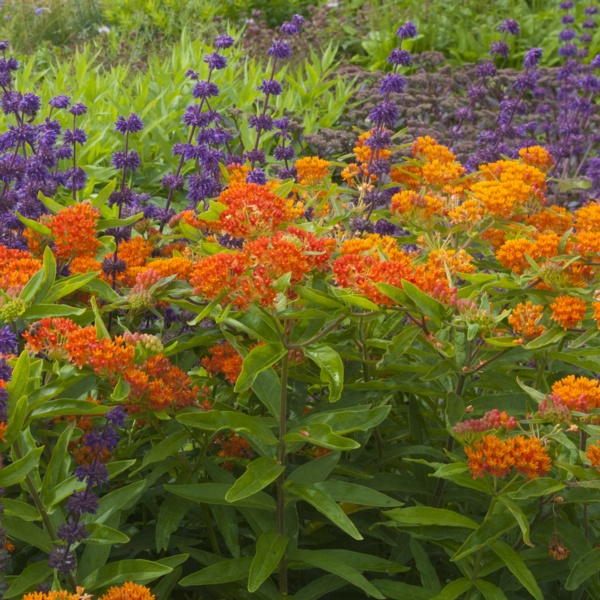
Asclepias is a perennial pollinator magnet for your summer garden. Pollinators are a vital part of life on planet Earth since they pollinate most flowering plants for them to reproduce. Pollinators do this by transferring pollen from bloom to bloom. Pollinators have been in decline in recent years due to habitat loss and disease.
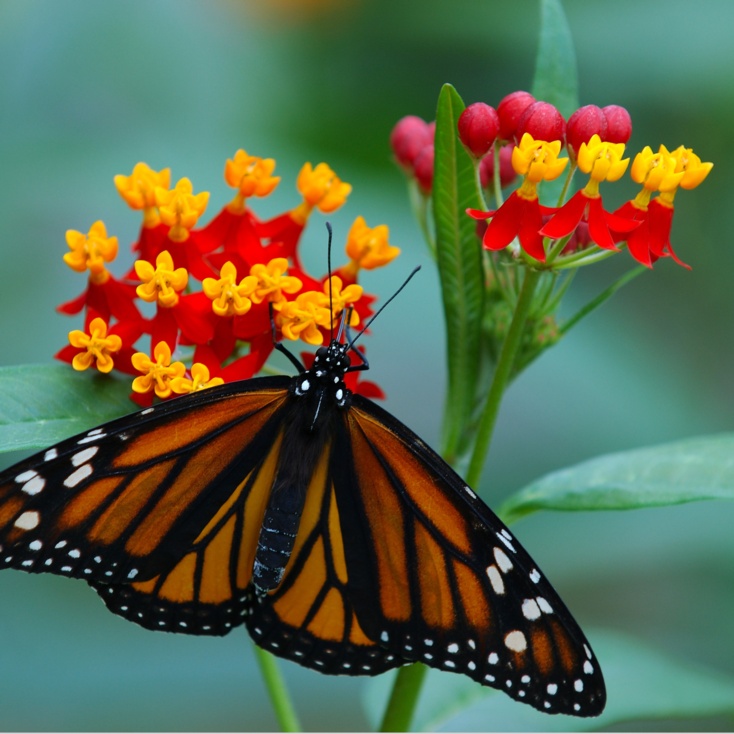
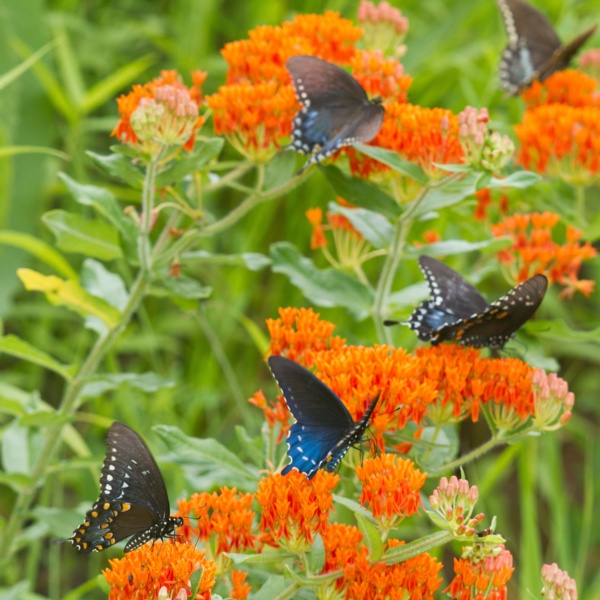
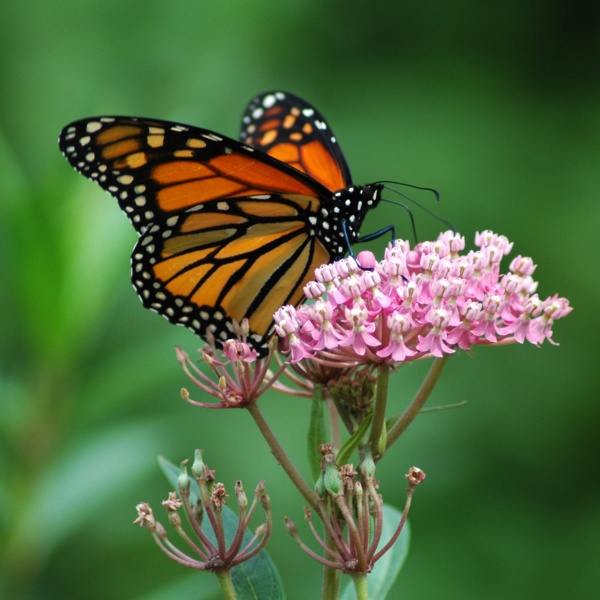
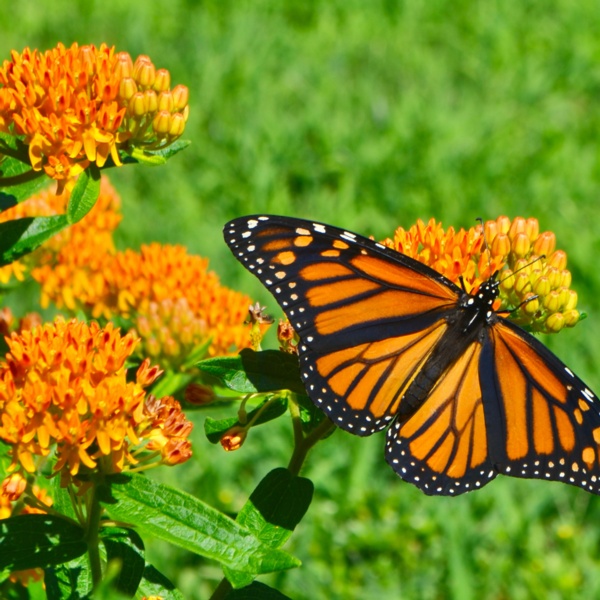
Asclepias provides shelter and food for native pollinators to thrive and survive. Monarch butterflies use the Asclepias plant as a source for nectar and for laying eggs. The larvae or caterpillars then use the plant's leaves as a food source. It is surprisingly easy and lots of fun for you and your family to attract them to your garden to provide spectacular entertainment! Please help to sustain the pollinator populations by planting Asclepias and other pollinator magnets.
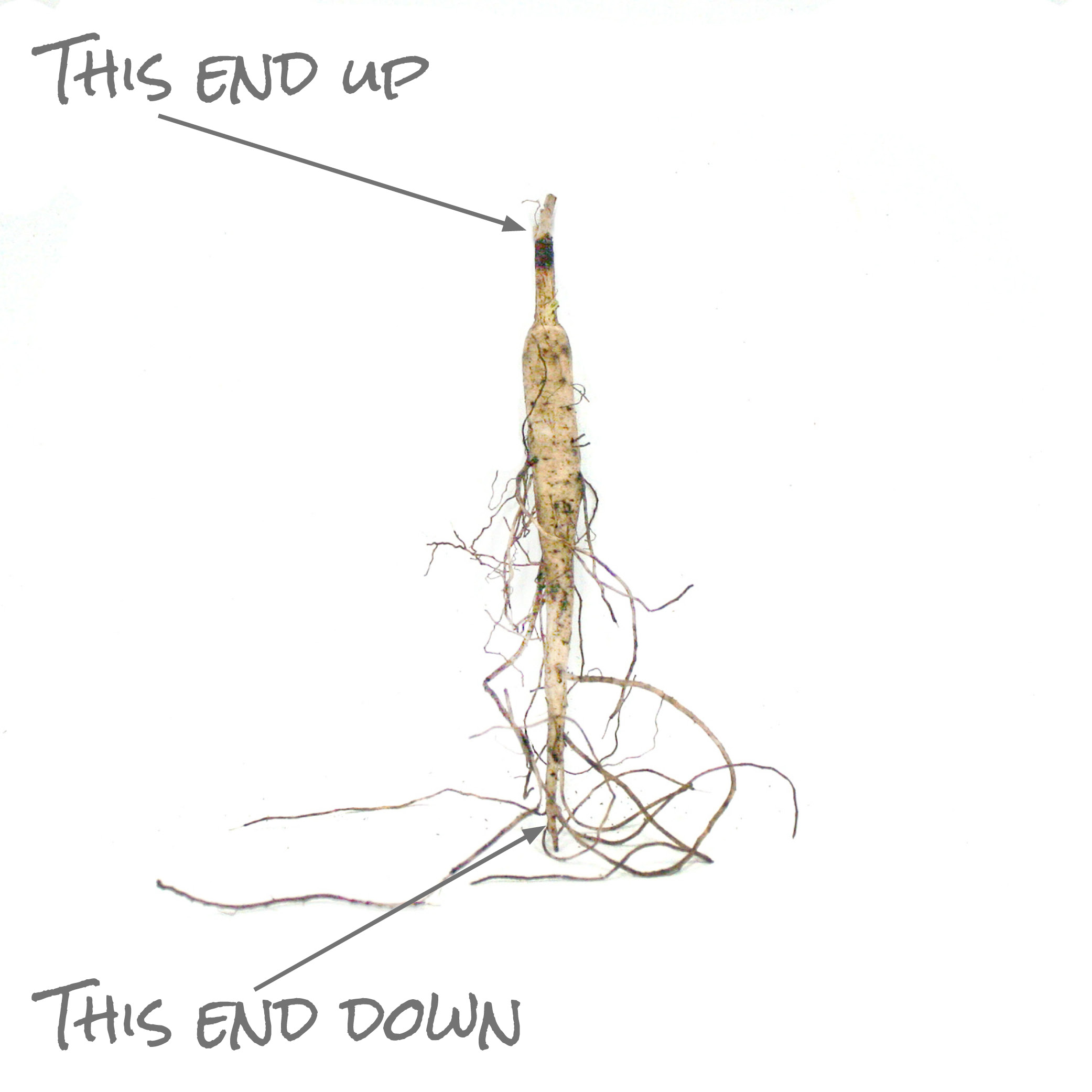 Plant Asclepias in the spring after all danger of frost has passed. Asclepias prefers full sun locations.
The ideal soil is rich and porous and drains well, yet still holds enough water for the roots. If your soil is heavy clay and drains slowly, or very sandy and does not hold water, add organic soil amendments like peat moss or ground bark. Spread a 3-4 inch layer of soil amendment if needed and incorporate into the soil to a depth of 10 inches.
Plant 2-3" deep and 12-20" apart. Cover with soil. Water thoroughly at planting. While actively growing, water frequently and thoroughly so that water will reach roots. Mulch to keep the soil cool and to prevent the soil from drying out.
Apply fertilizer before and after flowering.