| When to Plant: | |
| Spring |
| Blooms: | |
| Late Summer to Fall |
| Light Requirements: | |
| Full Sun |
| Plant Height: | ||
| Varies by type. Ranges from 1-6'. | ||
| Hardiness Zones: | |
| Grow as Perennial in zones 4-8. Grow as Annual elsewhere. Find Your Zone |
| Planting Depth: | |
| 2-3" |
| Plant Spacing: | |
| 24-36" |
| Plant Type: | |
| Bare Root |
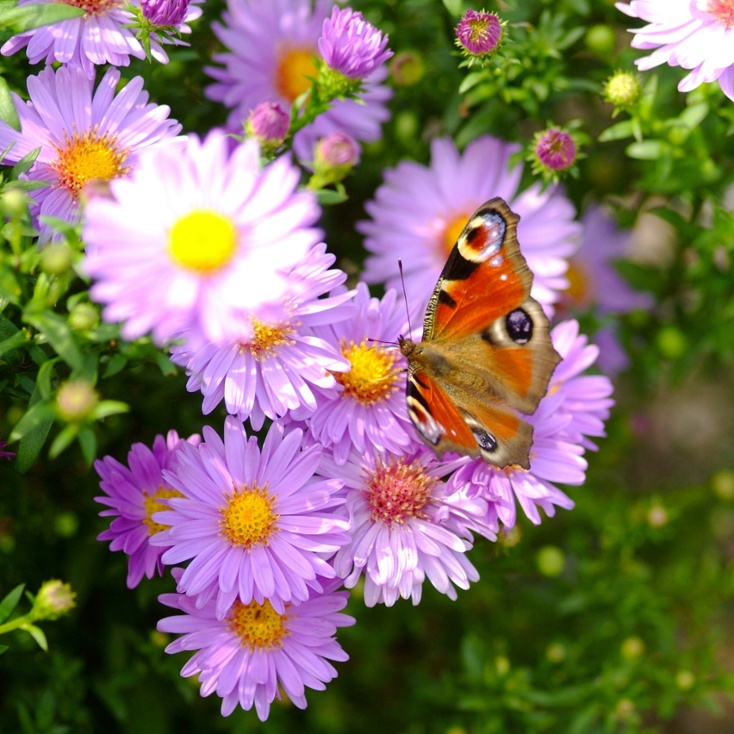
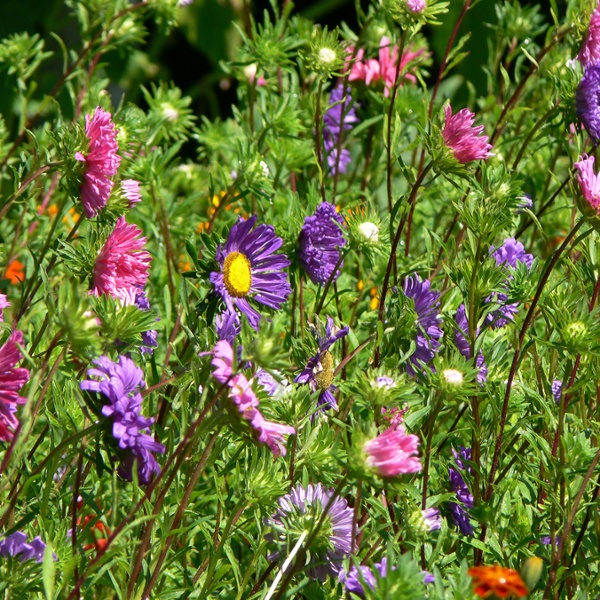
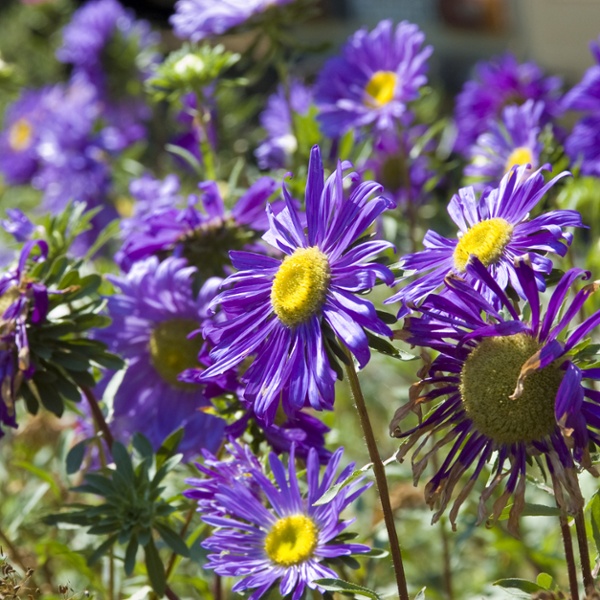
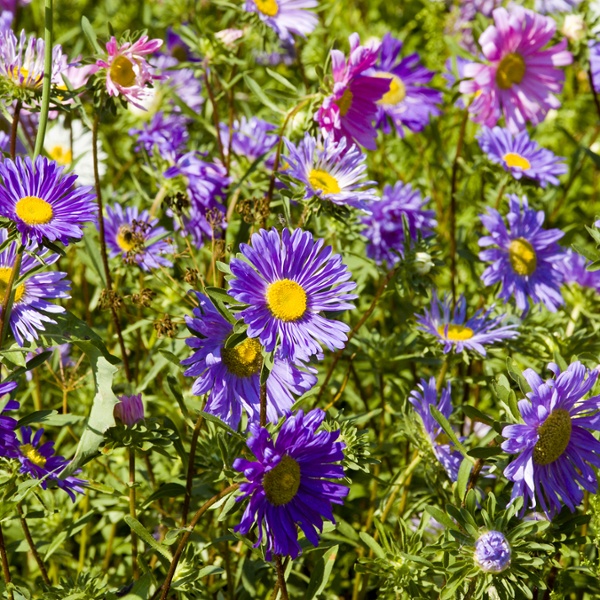
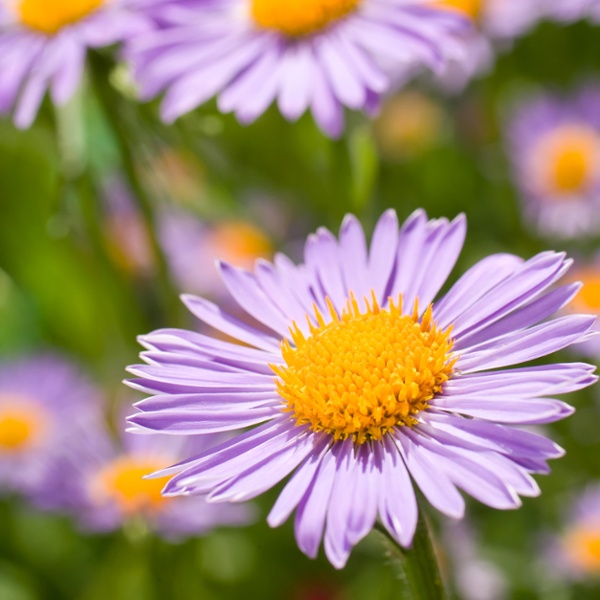
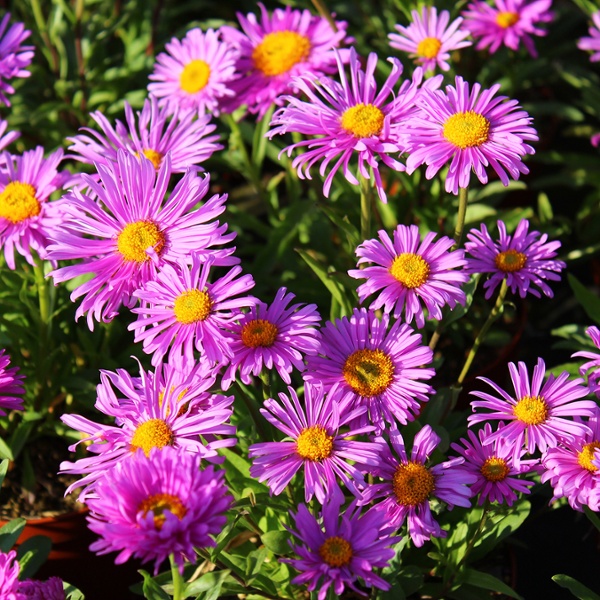
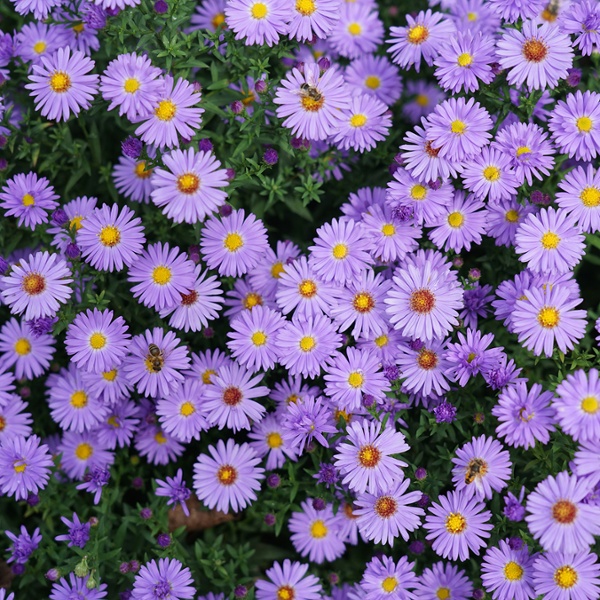
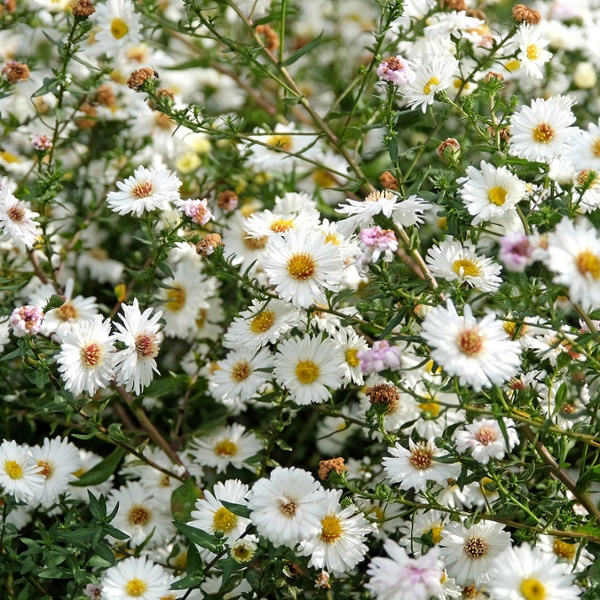
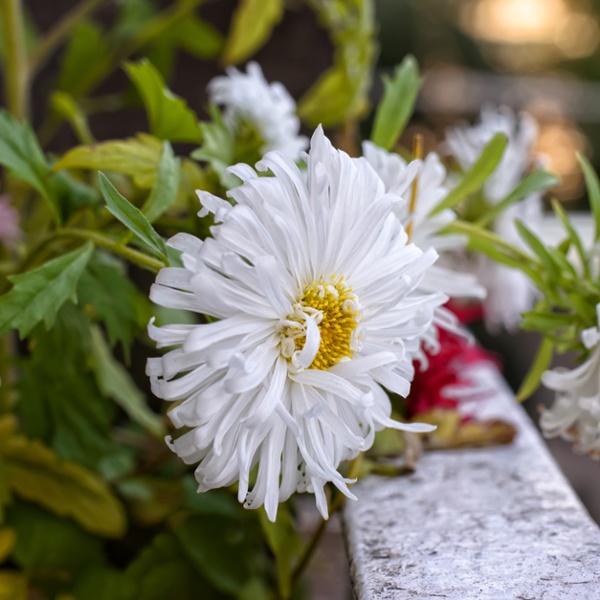
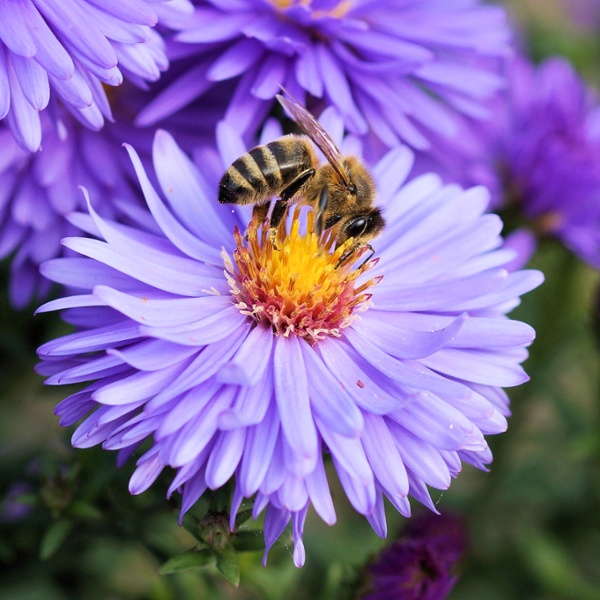
There are more than 600 varieties in the aster family. Depending on variety, these lovely additions to the perennial garden produce happy, star-shaped, daisy-like blooms in shades ranges from purple to light blue, pink, and white. The most common asters grown in North America are the New England aster and the New York aster. One thing that makes asters so unique is that they tend to bloom profusely as the days of summer begin to shorten and when other summer blooms begin to fade out. Most aster species are considered easy to grow and can thrive in a wide range of conditions.
Plant aster outdoors in spring after all danger of frost has passed in a full sun location. The ideal soil is rich and porous and drains well, yet still holds enough water for the roots. If your soil is heavy clay and drains slowly, or very sandy and does not hold water, add organic soil amendments like peat moss or ground bark. Spread a 3-4 inch layer of soil amendment if needed and incorporate into the soil to a depth of 10 inches. Plant roots 2-3" deep and 24-36" apart. Cover with soil. Water thoroughly at planting. While actively growing, water frequently and thoroughly so that water will reach roots. Mulch to keep the soil cool and to prevent the soil from drying out. New aster plantings need consistent moisture during the first growing season, but will tolerate fairly dry conditions once established. Fertilize in spring before the plants have started to produce buds. Most aster varieties benefit from routine deadheading. When cooler temperatures arrive and the plants start to die back, cut off dead and decaying plant matter to soil level.
In warmer climates, asters do not like hot, midday sun. Stake tall varieties to prevent from falling over. Pinch or cut back asters by a third 1-2 times in early summer to promote fullness and more blooms. Asters grown in containers should be repotted every 2-3 years.
