
Poppy, Oriental Poppy
| When to Plant: | |
| Spring |
| Blooms: | |
| Summer |
| Light Requirements: | |
| Full Sun |
| Plant Height: | ||
| 18-36" | ||
| Hardiness Zones: | |
| Grow as Perennial in zones 3-8. Grow as Annual elsewhere. Find Your Zone |
| Planting Depth: | |
| 1-2" |
| Plant Spacing: | |
| 18-24" |
| Plant Type: | |
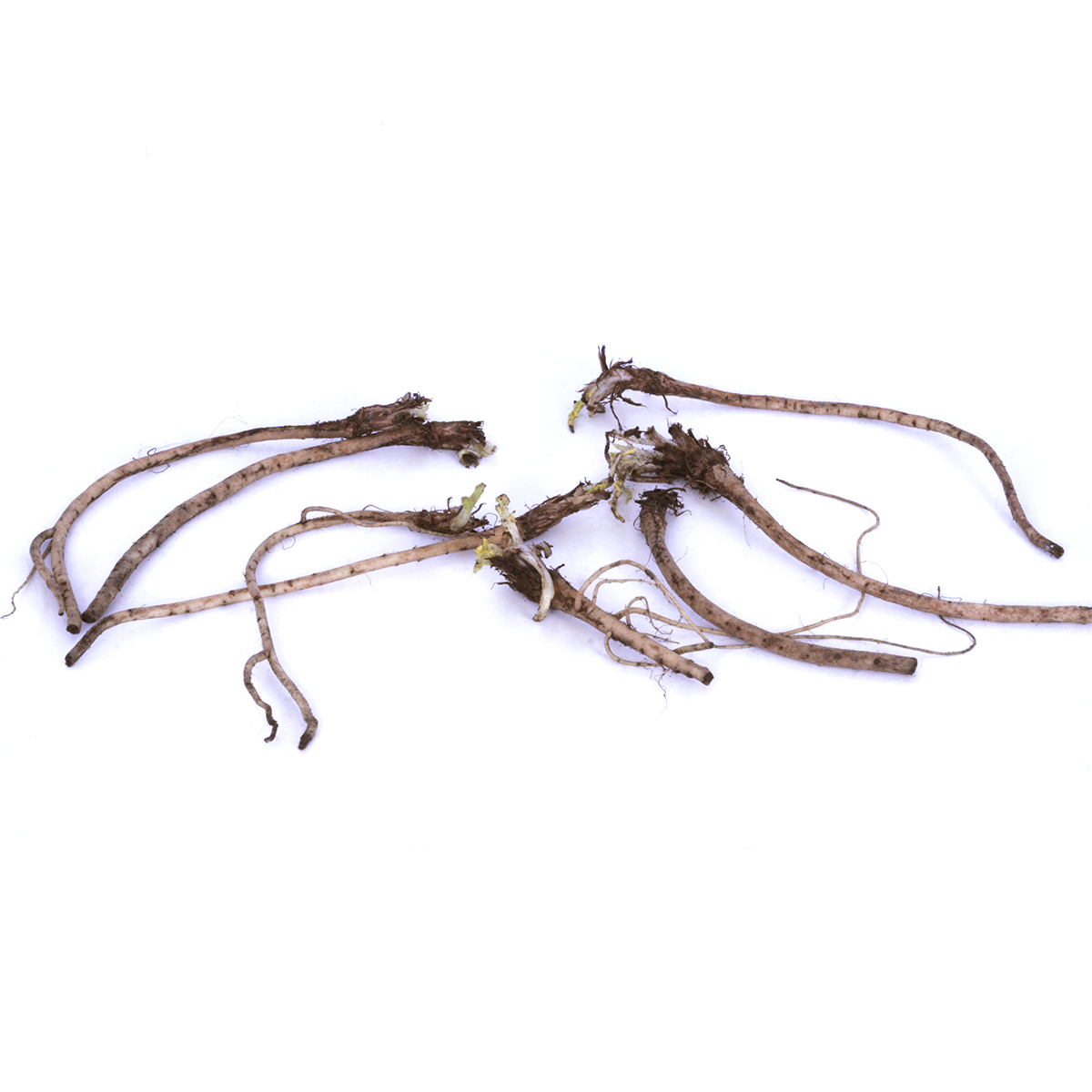
| Bare Root |
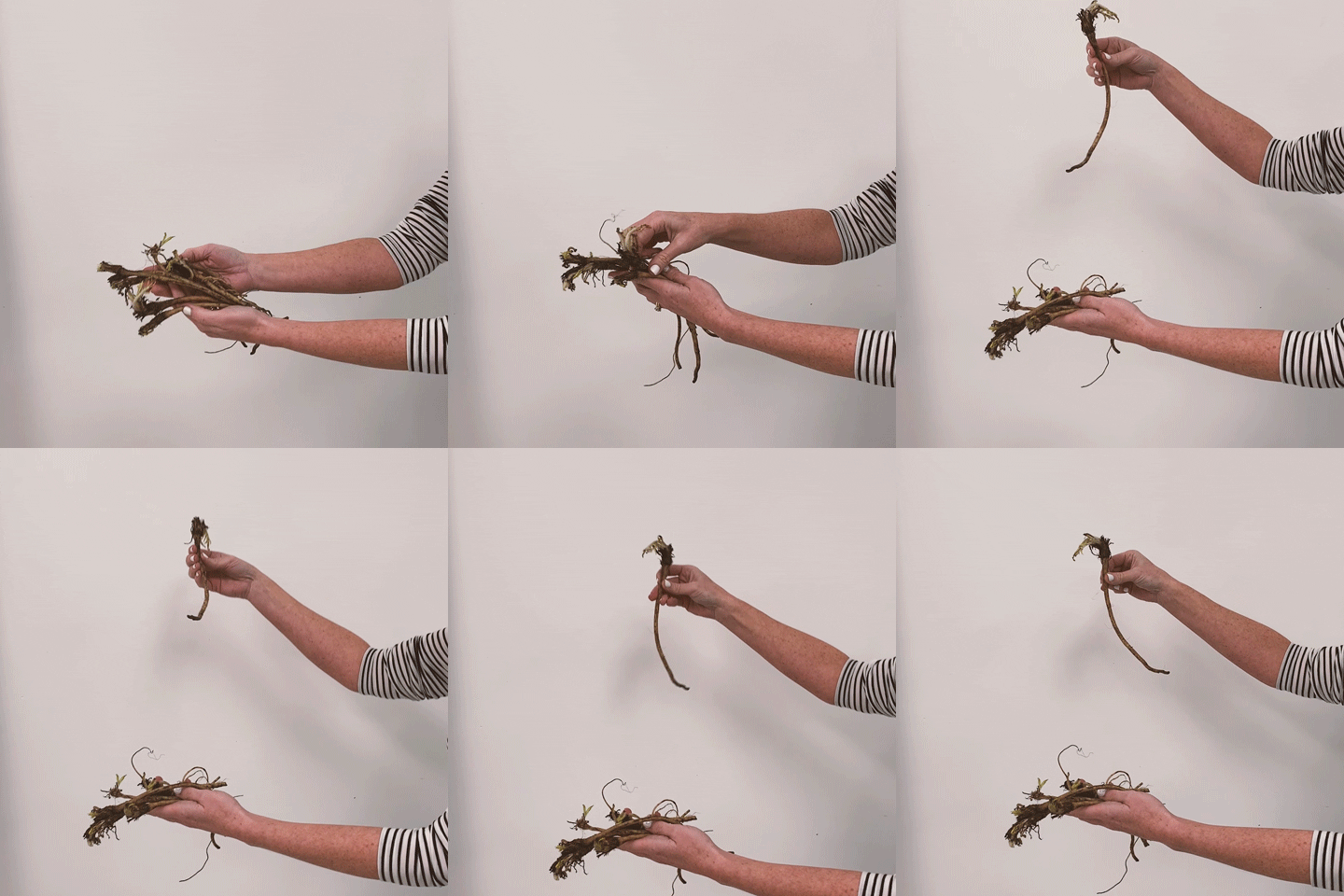 Oriental poppies have been long used by gardeners in a range of landscape situations. Planting poppies is simple and rewarding when their blooms appear. The clumps will become larger each year but will never be invasive.
Poppies are strong plants that are weather resistant. They can be also forced indoors with special treatment.
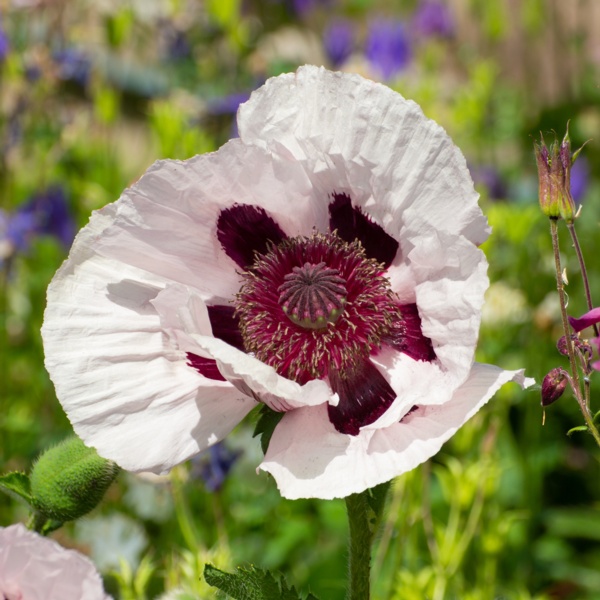
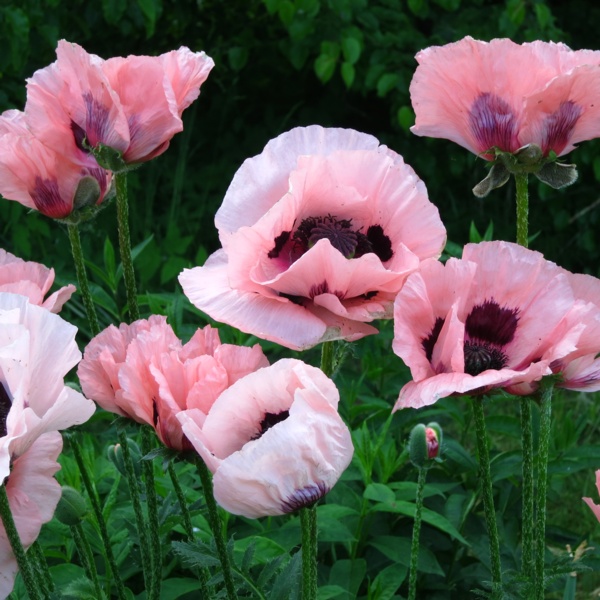
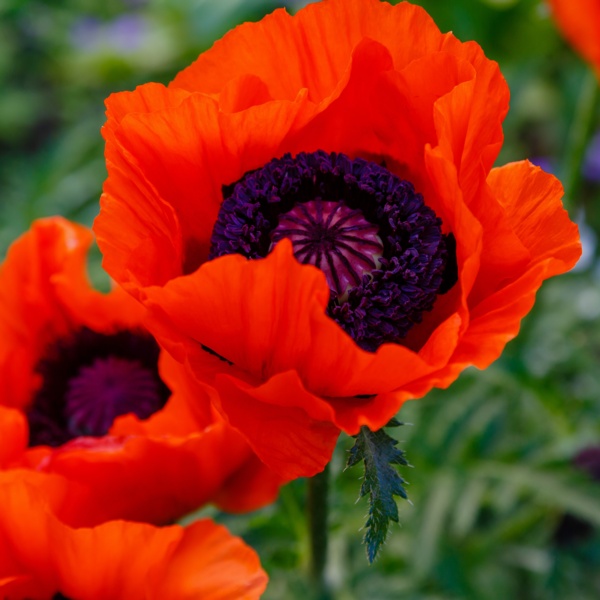
Papaver orientalis blooms are large, bright and are among the most popular poppies available.
Poppies have appeared on ravaged battlefields and have come to symbolize death and rebirth.
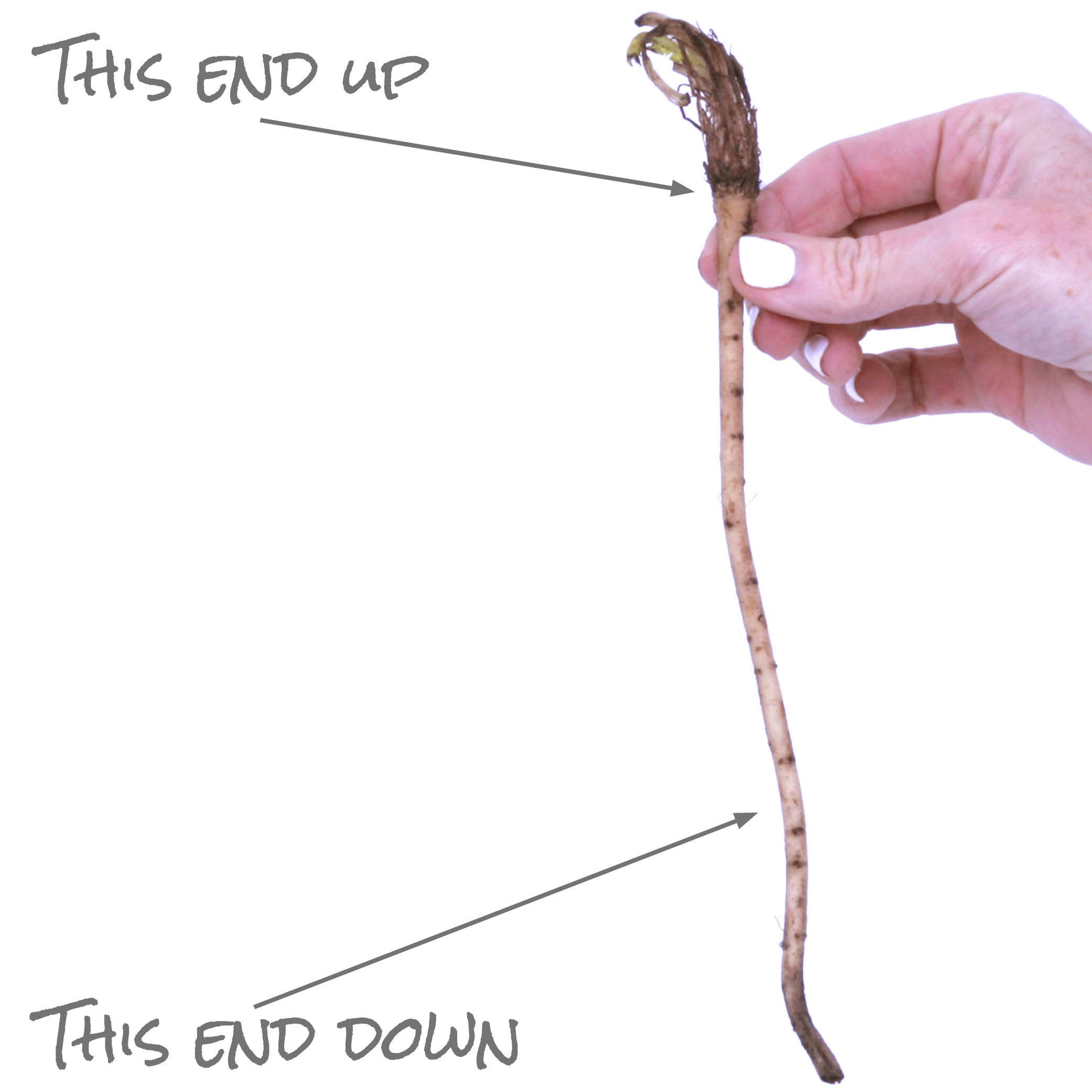 Plant Papavers in the spring after all danger of frost has passed in a full sun location in moist but well draining soil.
Soil preparation: The ideal soil is porous and drains well and yet still holds enough water for the roots. If your soil is heavy clay and drains slowly, or very sandy and does not hold water, add organic soil amendments (peat moss or ground bark). Spread a 3-4" layer of soil amendment, add fertilizer and incorporate together into the soil to a depth of 10".
To plant: Dig a hole 1-2" deep in a sunny (at least 6 hours of direct sun), well drained location. Place the papaver in hole with roots pointed down and space 18-24" apart. Cover with soil and water. Mulch in extreme climates.
Do not disturb after they are established to prevent losing a blooming season.
Some poppy varieties are best divided and replanted in fall if needed.