Russian Sage
| When to Plant: | |
| Spring |
| Blooms: | |
| Summer to Fall |
| Light Requirements: | |
| Full Sun |
| Plant Height: | ||
| 36-60" | ||
| Hardiness Zones: | |
| Grow as Perennial in zones 5-9. Grow as Annual elsewhere. Find Your Zone |
| Planting Depth: | |
| 1.5-2" |
| Plant Spacing: | |
| 24-48" |
| Plant Type: | |
| Bare Root |
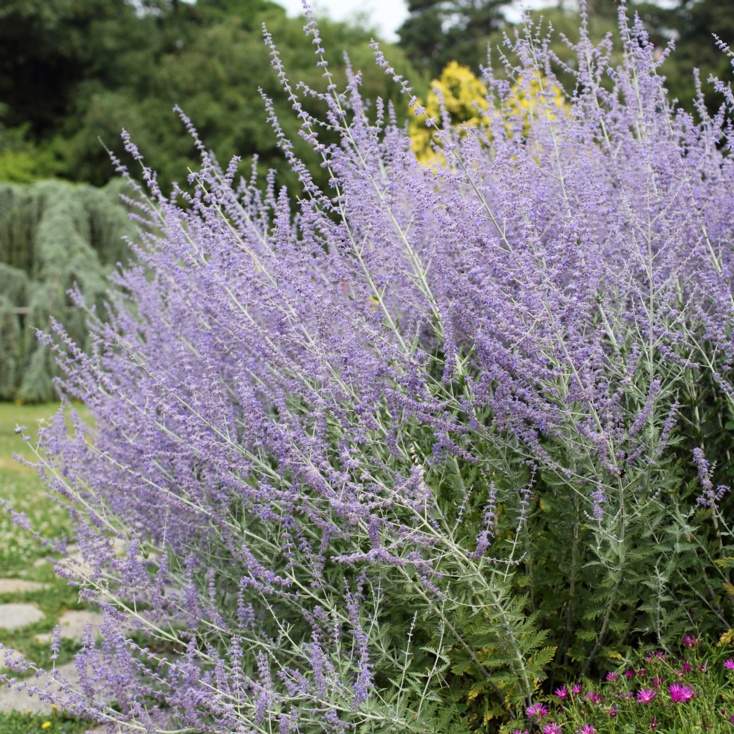
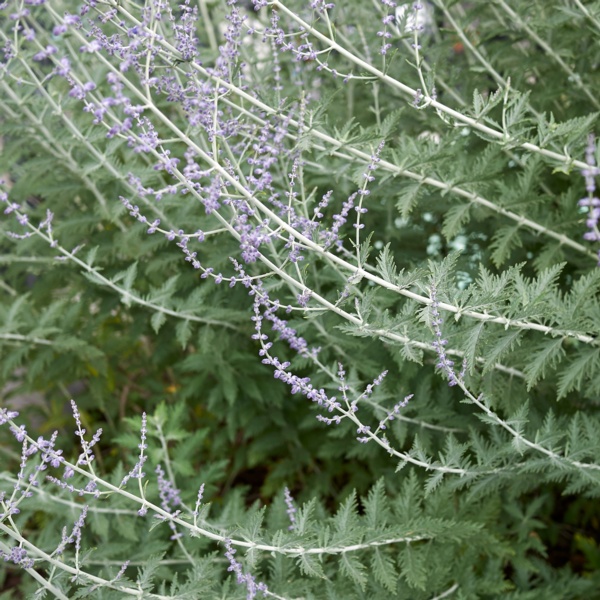
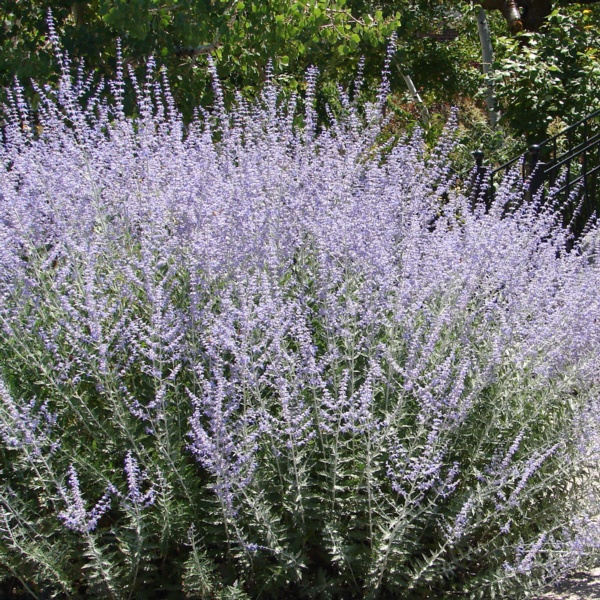
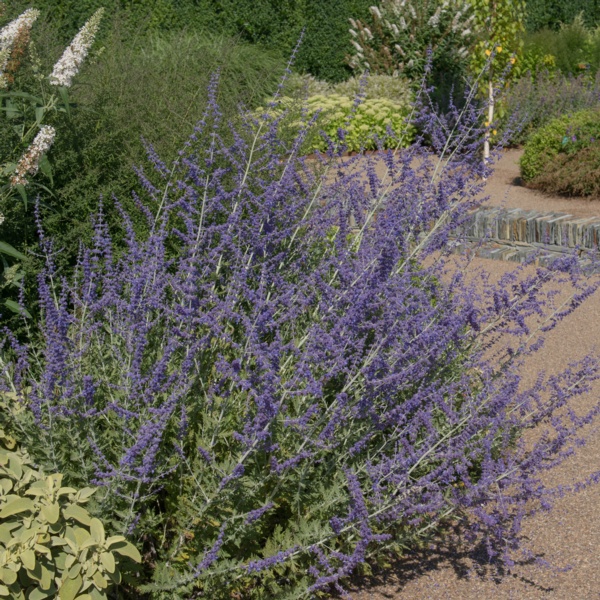
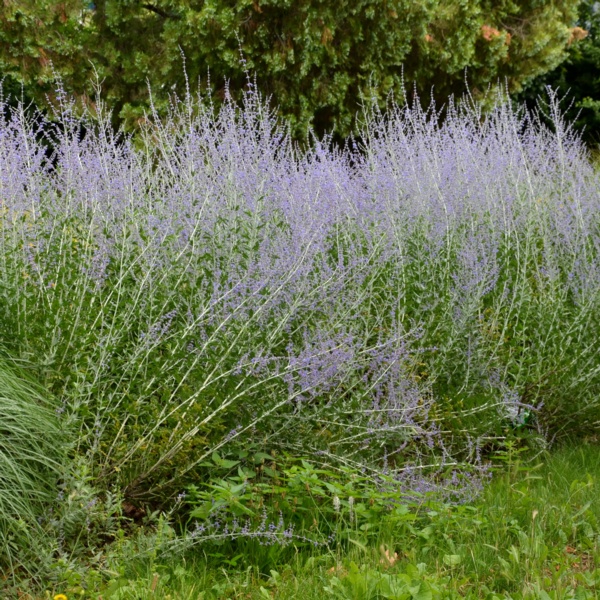
The botanical name of Russian Sage is Perovskia atriplicifolia, it is a herbaceous perennial from the Himalayas and western China. They will grow in nearly any soil type - even almost desert-like gardens.
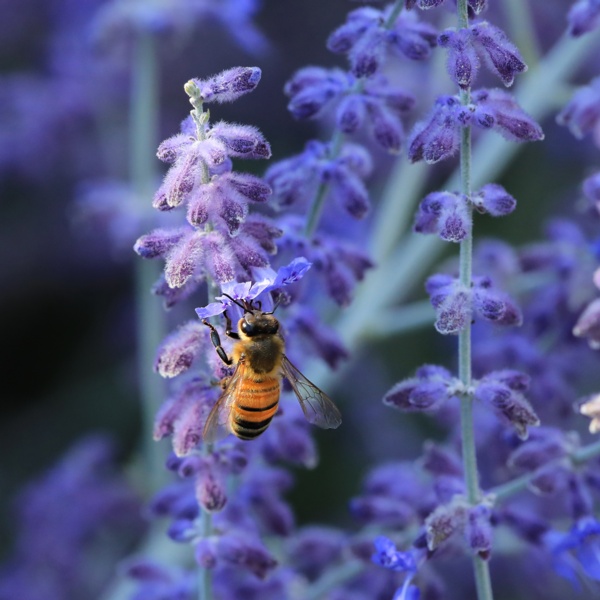
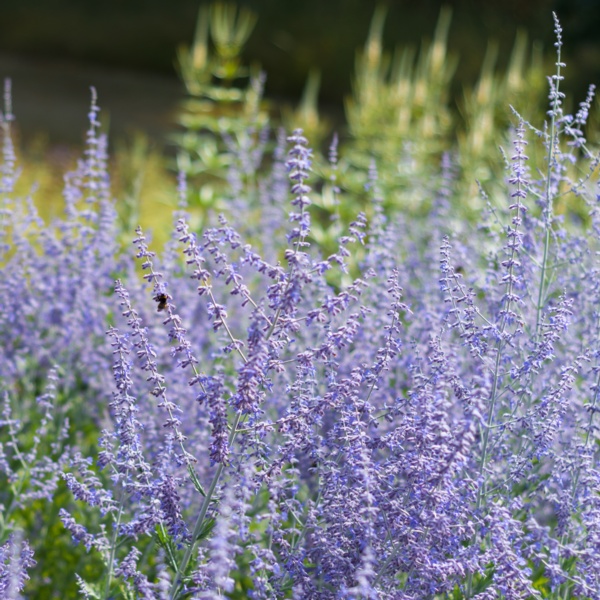
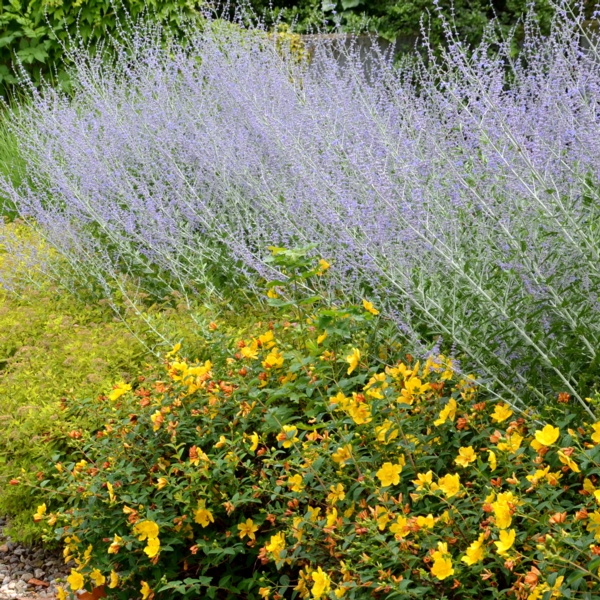
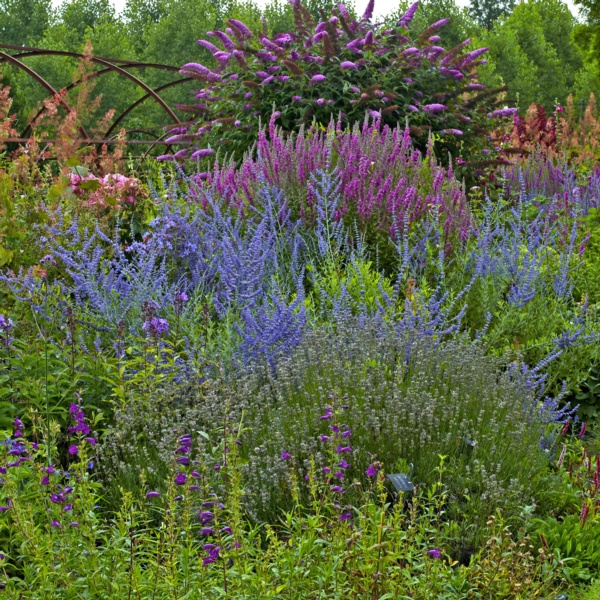
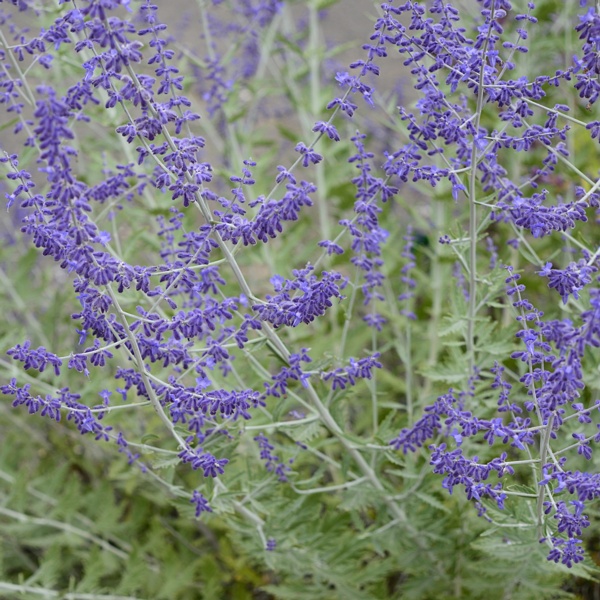
Perovskia is known for its long season of lacy, fragrant lavender-blue aromatic blooms.
Plant Russian Sage in the spring after all danger of frost has passed in a full sun location in moist but well draining soil.
Soil preparation: The ideal soil is porous and drains well and yet still holds enough water for the roots. If your soil is heavy clay and drains slowly, or very sandy and does not hold water, add organic soil amendments (peat moss or ground bark). Spread a 3-4" layer of soil amendment, add fertilizer and incorporate together into the soil to a depth of 10".
To plant: Dig a hole 1.5-2" deep in a sunny (at least 6 hours of direct sun), well drained location. Place the Russian Sage in hole with roots pointed down and space 24-48" apart. Cover with soil and water. Mulch in extreme climates.
Plants do well in average garden soils and tolerate poor soils as long as drainage is good and they receive full sun. The plants require little maintenance as long as they are planted properly and establish themselves.
