Platycodon
(platy·co·don | \ ˌplatēˈkōˌdän \)
Also Known As:
Balloon Flower
|
Light Requirements: |
|
Full Sun to Partial Shade |
|
Plant Height: |
|
Varies by type. Ranges from 12-30". |
|
Hardiness Zones: |
|
Grow as Perennial in zones 3-8. Grow as Annual elsewhere. Find Your Zone |
|
Plant Spacing: |
|
Varies by type. Ranges from 12-18". |
About
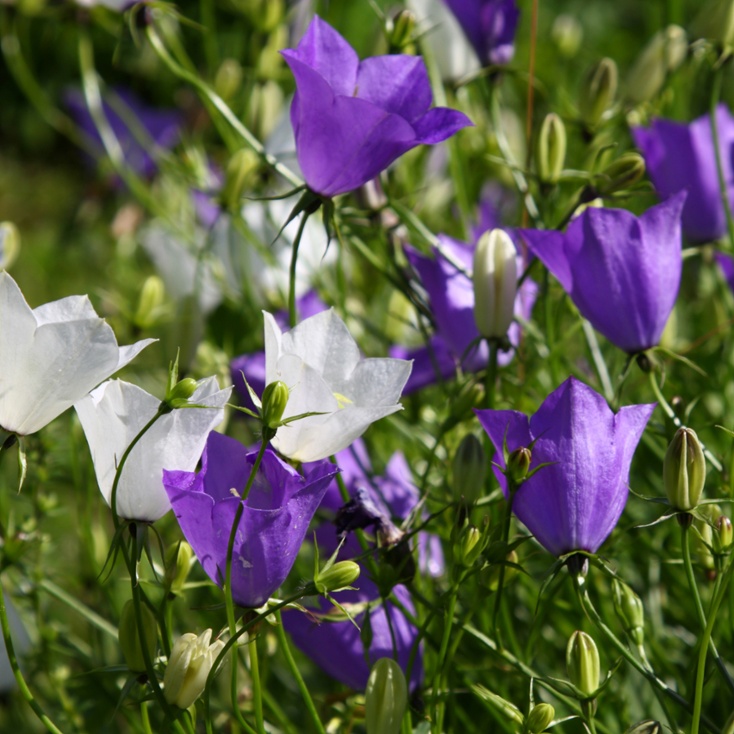
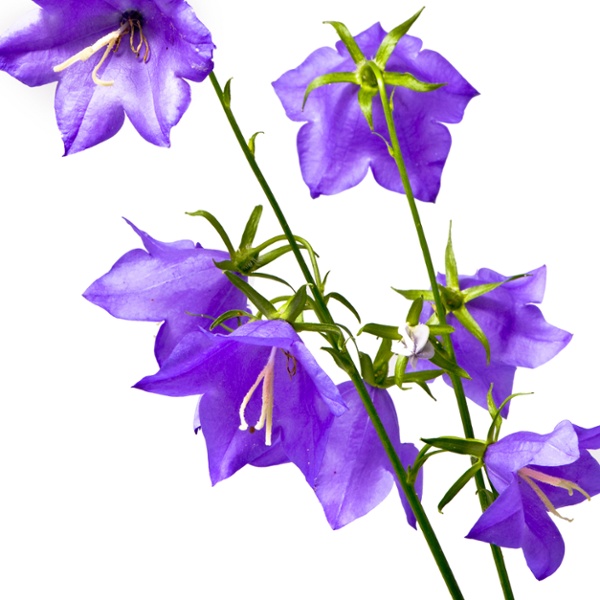
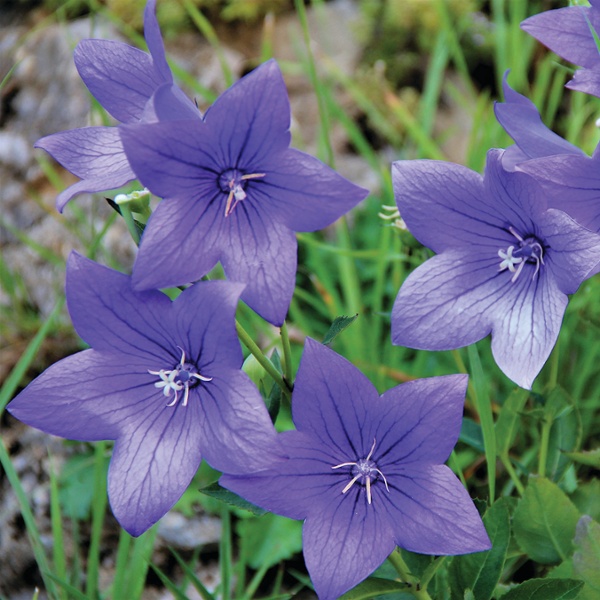
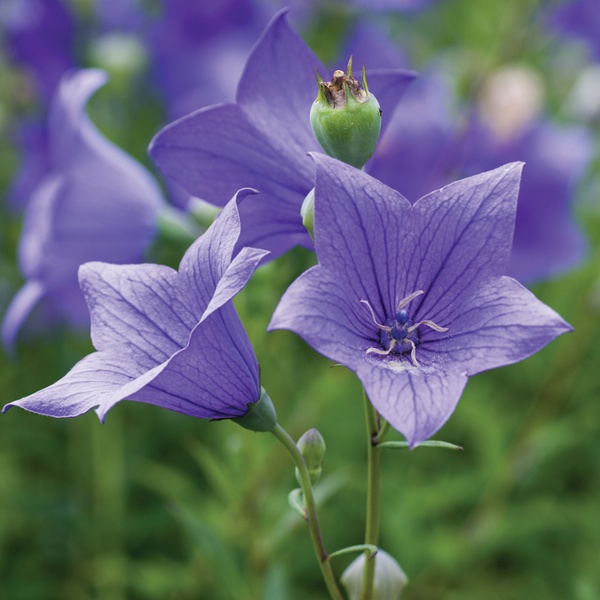
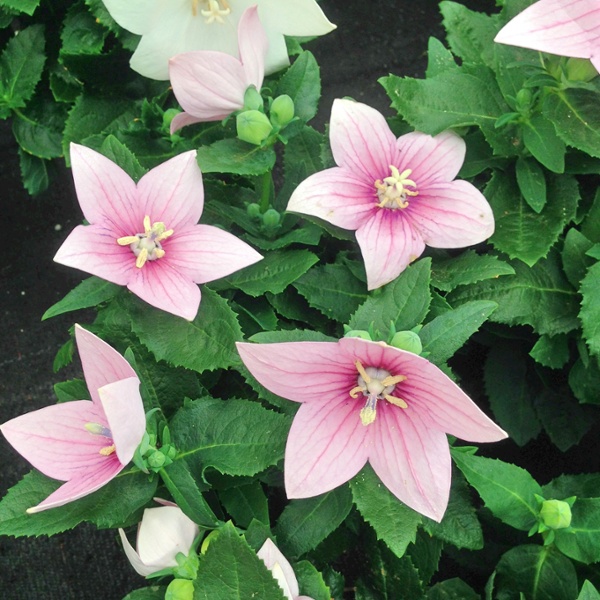
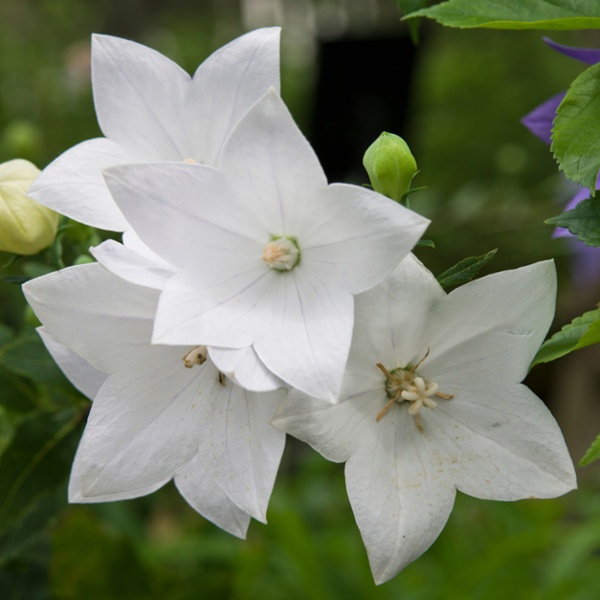
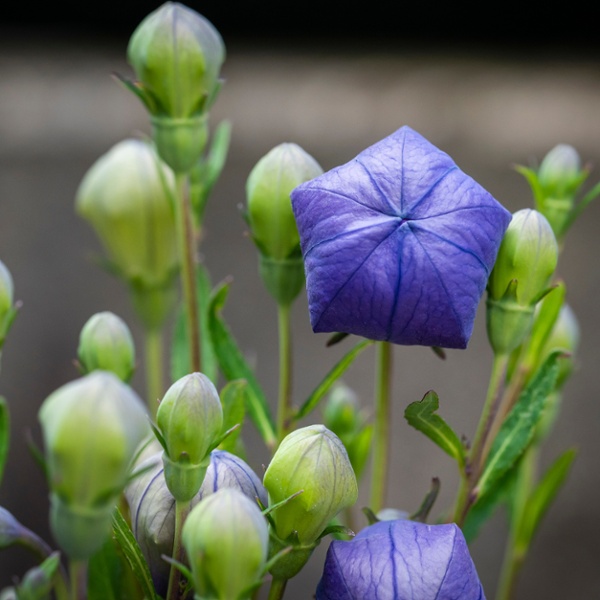
Platycodon gets its name from their buds that look like little hot air balloons. The buds open into blue, pink or white star-shaped flowers. Reliable bloomer with lance-shaped blue-green foliage.
Highlights
- Deer & critter resistant
- Easy to grow
- Beneficial to pollinators; attracts bees, butterflies and hummingbirds
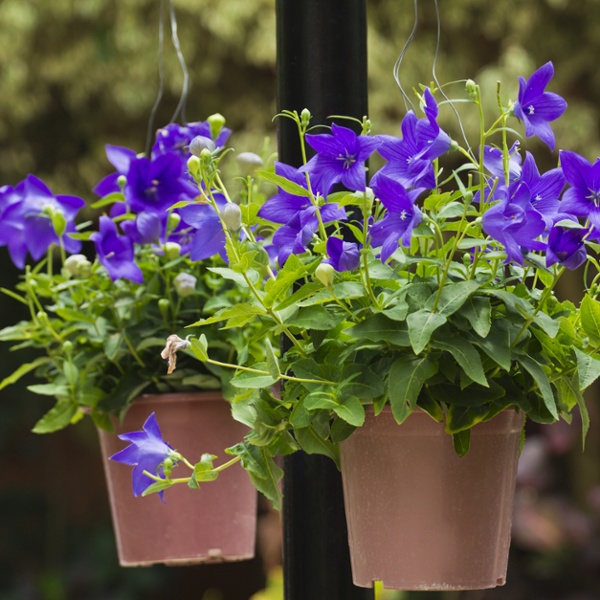
- Perfect for garden beds and borders
- Disease resistant
Planting Care & Instructions
Plant Platycodon in the spring after all danger of frost has passed in a full sun to partially shaded location in moist but well draining soil. Soil preparation: The ideal soil is porous and drains well and yet still holds enough water for the roots. If your soil is heavy clay and drains slowly, or very sandy and does not hold water, add organic soil amendments (peat moss or ground bark). Spread a 3-4" layer of soil amendment, add fertilizer and incorporate together into the soil to a depth of 10". To plant: Dig a hole 1-2" deep in a partially sunny (at least 6 hours of direct sun), well drained location. Place the phlox in hole with roots pointed down and space 8-24" apart depending on variety. Cover with soil and water. Mulch in extreme climates.
Growing Tips
Taller blooms may need staking. Deadhead spent flowers to encourage additional blooms. Prefers afternoon shade in summer.