

Mertensia virginica, Cowslip
| When to Plant: | |
| Spring |
| Blooms: | |
| Spring |
| Light Requirements: | |
| Partial Shade to Full Shade |
| Plant Height: | ||
| 12-24" | ||
| Hardiness Zones: | |
| Grow as Perennial in zones 4-9. Grow as Annual elsewhere. Find Your Zone |
| Planting Depth: | |
| 1-2" |
| Plant Spacing: | |
| 12-24" |
| Plant Type: | |
| Bare Root |
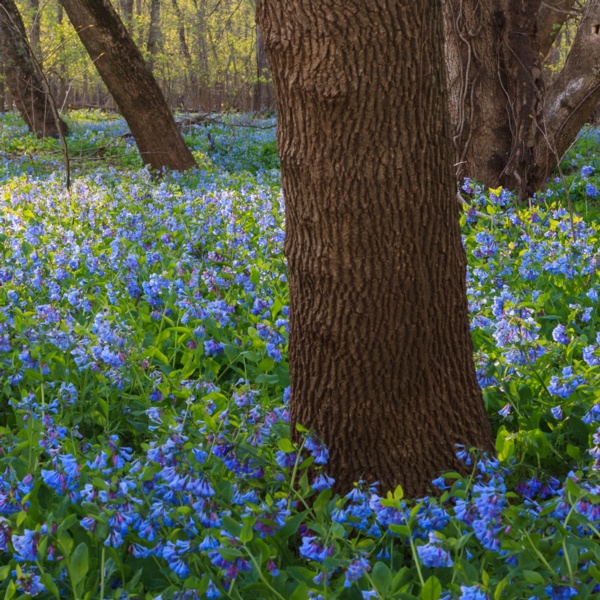
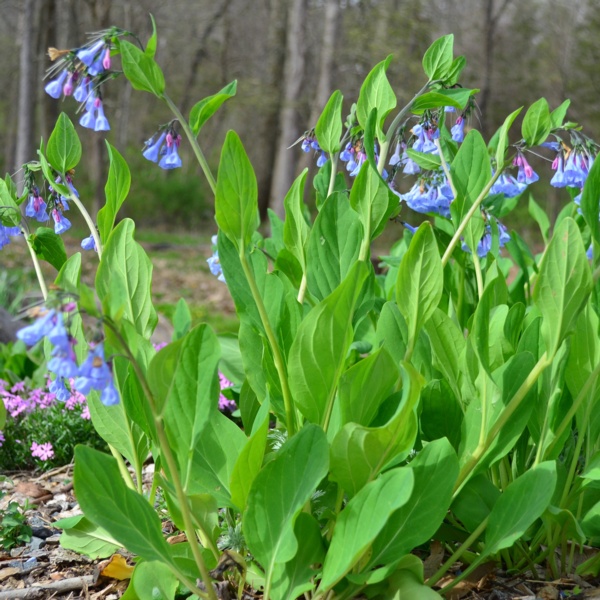
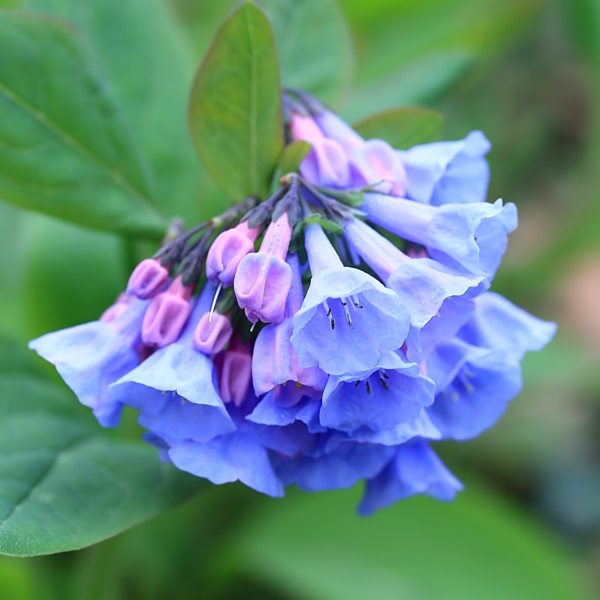
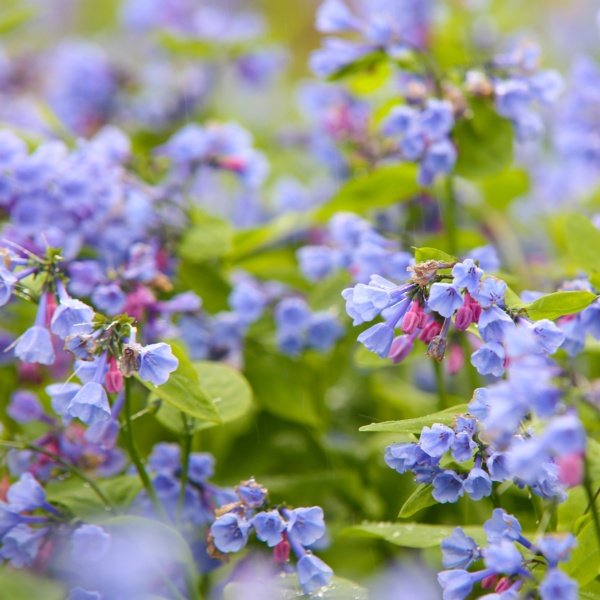
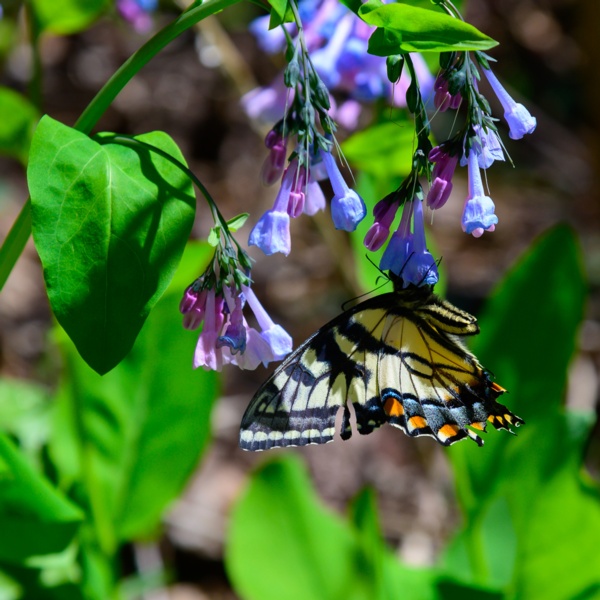
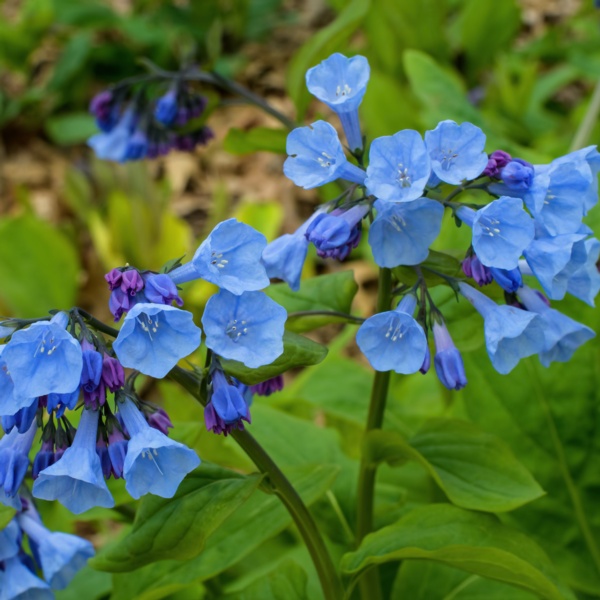
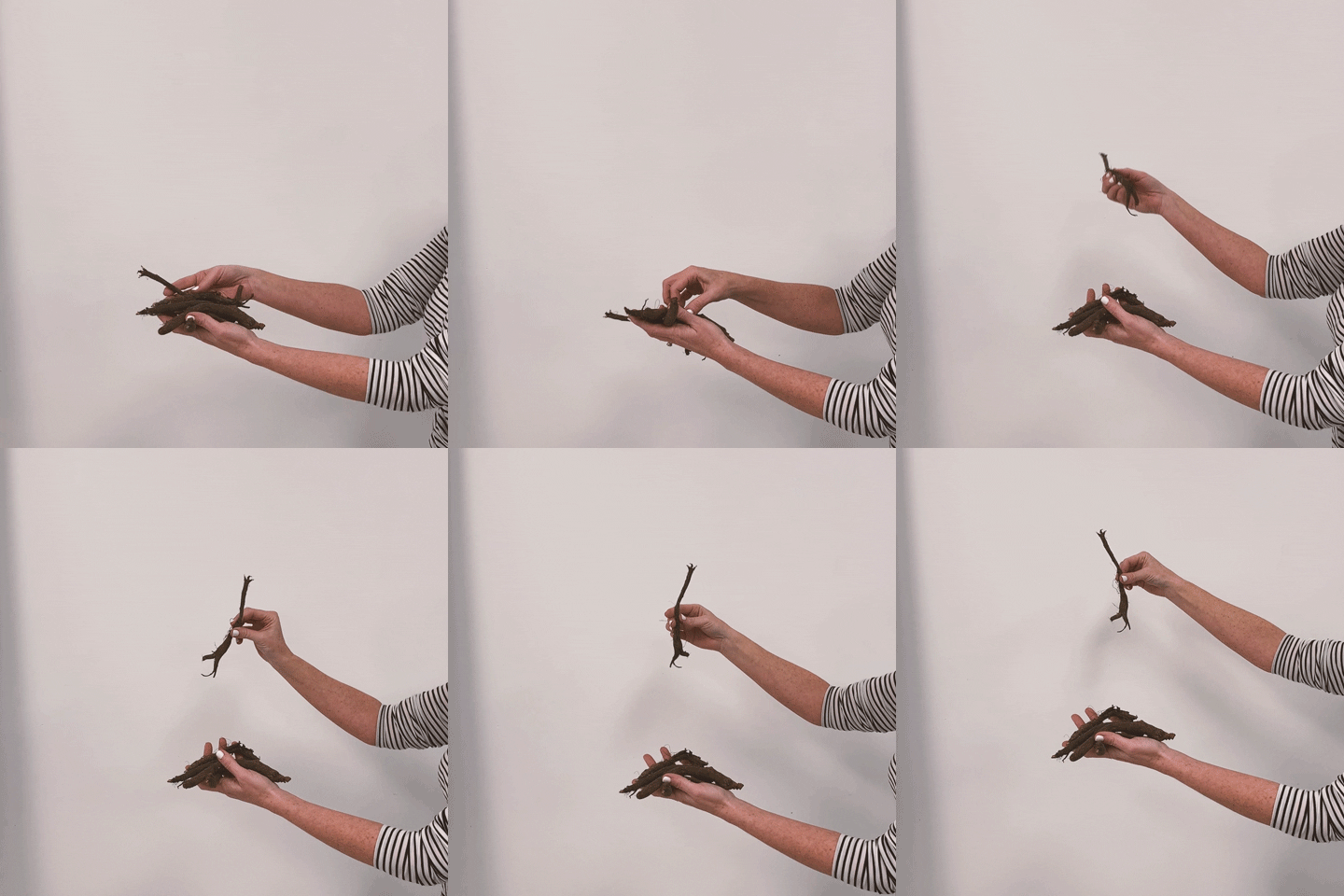 One of the prettiest blooms in the garden are the Virginia Bluebells. It is a perennial native to North America. You will find fields of Virginia Bluebells here and there because they are a great plant for naturalizing and can grow in just about any garden.
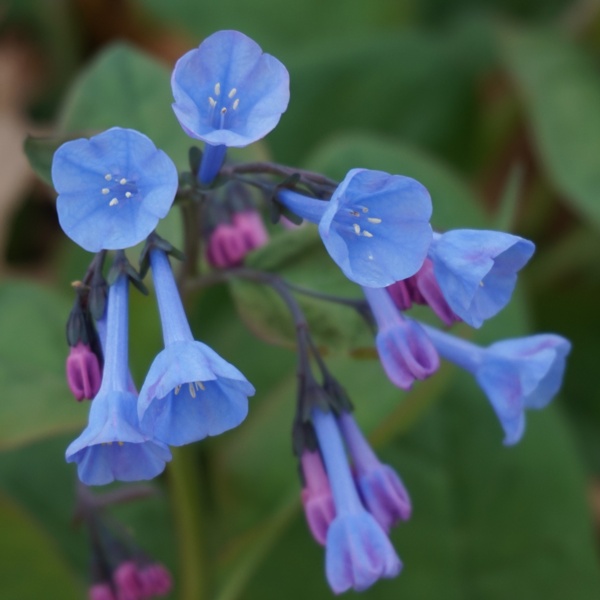
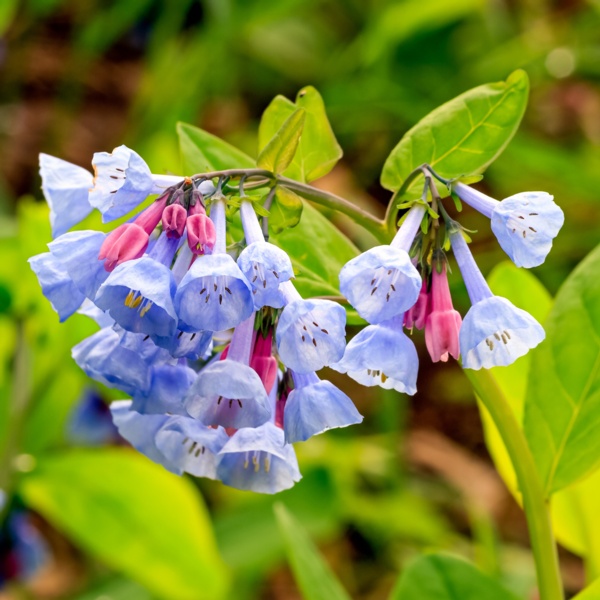
The flowers actually start out pink when in bud, but when blooming, quickly turn into a darker, richer, blue-purple hue. When planted against dense, deep greens of foundation plantings, it is truly a sight to see.
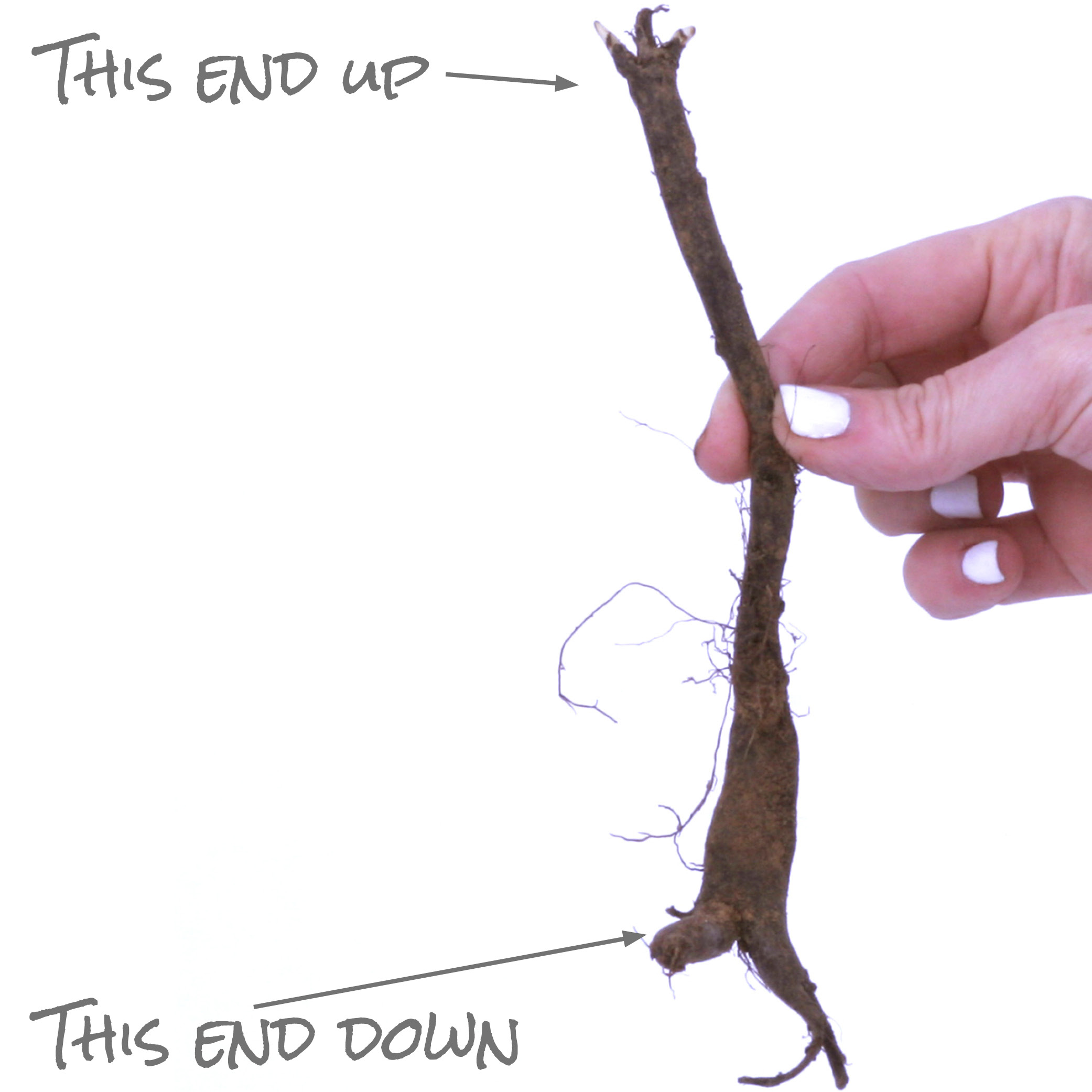 Plant Virginia Bluebells outdoors in spring after all danger of frost has passed in a partially shaded to full shade location.
The ideal soil is rich and porous and drains well, yet still holds enough water for the roots. If your soil is heavy clay and drains slowly, or very sandy and does not hold water, add organic soil amendments like peat moss or ground bark. Spread a 3-4 inch layer of soil amendment if needed and incorporate into the soil to a depth of 10 inches.
Plant roots 1-2" deep and 12-24" apart. Cover with soil. Water thoroughly at planting. While actively growing, water frequently and thoroughly so that water will reach roots. Mulch to keep the soil cool and to prevent the soil from drying out.
Fertilize during growing period.
Virginia Bluebells prefer well-draining, peaty soil to prevent them from getting too much water. Once the plant is established, do not disturb or you may lose a season of flowers.
 Avoid pruning and trimming.
